Adivasi Hair OilCategoriesBlog

Common Reasons Behind Excessive Hair Fall

Hair fall is a concern that affects people across every age group. While losing a certain number of strands each day is a natural part of the hair growth cycle, excessive shedding often signals that something within the body or lifestyle needs attention. Many individuals notice increased hair on their pillow, comb, or shower drain without realizing that the cause may have been developing over time.

Healthy hair depends on several factors, including nutrition, scalp health, hormones, genetics, stress levels, and daily hair care practices. Ignoring early signs can result in thinning hair, reduced volume, and weakened roots. Identifying the reason behind excessive hair fall is the first step toward choosing the right care routine.

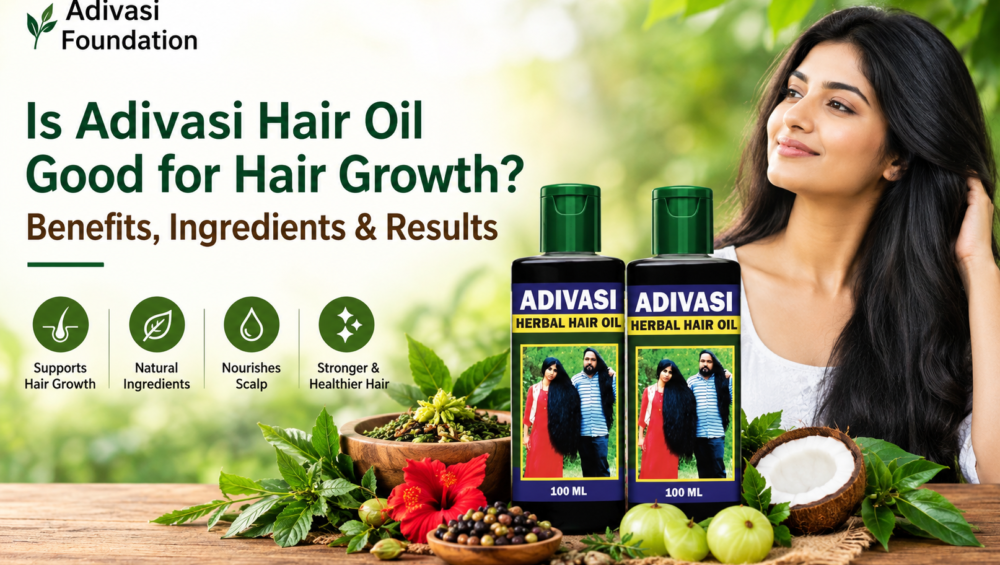
At Adivasi Foundation, the focus remains on promoting healthier hair through quality herbal care and informed hair wellness practices. Products like Adivasi Hair Oil are often chosen as part of a complete hair care routine that supports scalp nourishment alongside healthy lifestyle habits.

What Is Considered Normal Hair Fall?

Hair naturally grows in cycles consisting of growth, transition, resting, and shedding phases. It is generally normal to lose around 50 to 100 strands daily. Since new hair continues replacing old strands, this level of shedding usually goes unnoticed.

Hair fall becomes excessive when:

  • Hair shedding increases significantly.
  • Hair appears thinner than before.
  • Bald patches become visible.
  • Hairline begins receding.
  • More hair remains on the pillow or comb every day.

Recognizing these signs early allows timely corrective measures.

Common Reasons Behind Excessive Hair Fall

Numerous internal and external factors contribute to hair loss. In many cases, multiple causes work together rather than a single issue.

Nutritional Deficiencies

Hair follicles require adequate nutrients to produce healthy strands. A diet lacking essential vitamins and minerals weakens hair roots over time.

Common deficiencies include:

  • Iron
  • Protein
  • Zinc
  • Vitamin D
  • Vitamin B12
  • Biotin
  • Omega-3 fatty acids

Poor nutrition often results in brittle hair, slower growth, and increased shedding.

Including fresh vegetables, fruits, whole grains, lean proteins, nuts, and seeds helps maintain healthy hair.

Hormonal Imbalances

Hormones regulate numerous body functions, including hair growth.

Several hormonal conditions contribute to excessive hair fall:

  • Thyroid disorders
  • Pregnancy-related hormonal changes
  • Menopause
  • Polycystic Ovary Syndrome (PCOS)
  • Postpartum hormonal fluctuations

Hair loss associated with hormonal imbalance usually requires medical evaluation alongside supportive scalp care.

Chronic Stress

Mental and emotional stress can interrupt the natural hair growth cycle.

High stress levels may push more follicles into the resting phase, resulting in noticeable shedding several weeks later.

Sources of prolonged stress include:

  • Workplace pressure
  • Family responsibilities
  • Sleep deprivation
  • Anxiety
  • Emotional trauma

Managing stress through exercise, meditation, proper sleep, and relaxation techniques can positively influence hair health.

Genetic Factors

Family history remains one of the strongest predictors of hair loss.

Hereditary hair thinning often develops gradually over several years.

Common patterns include:

  • Receding hairline
  • Thinning at the crown
  • Widening part line
  • Overall reduction in hair density

Although genetics cannot be changed, proper hair care may help maintain scalp health.

Scalp Infections

A healthy scalp creates the ideal environment for hair growth.

Scalp conditions that contribute to hair fall include:

  • Fungal infections
  • Dandruff
  • Psoriasis
  • Seborrheic dermatitis
  • Folliculitis

Persistent itching, redness, flakes, or inflammation should not be ignored.

Early treatment often helps reduce unnecessary hair loss.

Frequent Heat Styling

Hair styling tools expose strands to high temperatures.

Repeated use of:

  • Hair dryers
  • Straighteners
  • Curling irons
  • Hot brushes

can weaken the hair shaft, causing breakage and split ends.

Reducing heat exposure preserves hair strength.

Chemical Hair Treatments

Chemical procedures may temporarily improve appearance but often weaken hair over time.

Common treatments include:

  • Hair coloring
  • Bleaching
  • Rebonding
  • Perming
  • Smoothening

Using harsh chemicals frequently damages both the scalp and hair structure.

Allowing sufficient recovery time between treatments supports healthier hair.

Tight Hairstyles

Constant tension on the scalp affects hair follicles.

Hairstyles that may contribute include:

  • Tight ponytails
  • Braids
  • Buns
  • Hair extensions

Traction hair loss develops slowly and may become permanent if ignored.

Choosing looser hairstyles helps reduce unnecessary strain.

Poor Scalp Hygiene

A clean scalp encourages healthy follicle function.

Excessive oil, dirt, sweat, and product buildup can clog follicles and create an unhealthy scalp environment.

Maintaining regular cleansing according to hair type helps preserve scalp balance.

Seasonal Hair Shedding

Some individuals notice increased hair fall during seasonal changes.

Environmental factors like humidity, dryness, temperature fluctuations, and sun exposure may temporarily influence the natural hair cycle.

Seasonal shedding usually stabilizes with proper hair care.

Certain Medical Conditions

Several health conditions contribute to excessive hair loss.

Examples include:

  • Autoimmune disorders
  • Diabetes
  • High fever
  • Severe infections
  • Chronic illnesses

Medical evaluation helps identify the underlying cause when hair fall becomes persistent.

Side Effects of Medications

Certain medications may affect hair growth.

Examples include medicines prescribed for:

  • Blood pressure
  • Depression
  • Cancer treatment
  • Arthritis
  • Hormonal therapy

Individuals experiencing sudden hair fall after starting medication should consult their healthcare provider before making any changes.

Lack of Sleep

Hair restoration occurs alongside various repair processes during sleep.

Poor sleep quality may increase stress hormones while reducing overall body recovery.

Adults generally benefit from seven to eight hours of quality sleep each night.

Pollution and Environmental Damage

Daily exposure to pollution introduces dirt, toxins, and free radicals onto the scalp.

Long-term exposure may weaken hair roots and increase dryness.

Protective hair care routines and regular cleansing help reduce environmental buildup.

Excessive Use of Hair Products

Using multiple styling products every day may overload the scalp.

Heavy use of:

  • Hair sprays
  • Gels
  • Wax
  • Dry shampoo
  • Styling creams

can contribute to residue accumulation.

Selecting products suitable for individual hair types helps maintain scalp balance.

Rapid Weight Loss

Sudden calorie restriction affects nutrient availability.

Hair follicles often respond by slowing growth and increasing shedding.

Gradual, balanced weight management better supports healthy hair.

Aging

Hair naturally changes with age.

Common age-related changes include:

  • Slower growth
  • Reduced density
  • Thinner strands
  • Less pigment

Although aging cannot be prevented, maintaining scalp nourishment remains beneficial.

Signs That Hair Fall Requires Professional Attention

Professional consultation becomes important when:

  • Hair fall continues beyond several months.
  • Bald patches appear.
  • Severe itching accompanies shedding.
  • Hair breaks excessively.
  • Scalp pain develops.
  • Sudden hair loss occurs without explanation.

Early diagnosis often improves treatment outcomes.

Healthy Habits That Support Strong Hair

Healthy hair begins with consistent daily care.

Helpful habits include:

  • Eating balanced meals.
  • Staying hydrated.
  • Managing stress effectively.
  • Sleeping adequately.
  • Exercising regularly.
  • Protecting hair from excessive heat.
  • Avoiding harsh chemical treatments.
  • Keeping the scalp clean.
  • Using gentle hair care products.

Small daily improvements often produce noticeable long-term results.

The Importance of Scalp Nourishment

Strong hair grows from healthy follicles.

Proper scalp care supports:

  • Better circulation
  • Balanced oil production
  • Reduced dryness
  • Improved follicle condition
  • Healthier hair growth environment

Scalp massage may further enhance relaxation while promoting circulation.

Many individuals include herbal-based hair oils as part of their routine. Adivasi Hair Oil is commonly selected by people looking to nourish the scalp with traditional herbal ingredients while maintaining regular hair care practices.

Daily Hair Care Routine for Better Hair Health

Consistency often delivers better results than occasional intensive care.

A balanced routine may include:

  1. Cleanse the scalp using a suitable shampoo.
  2. Massage the scalp gently with hair oil.
  3. Avoid excessive rubbing while drying.
  4. Use a wide-tooth comb.
  5. Limit heat styling.
  6. Consume nutrient-rich foods.
  7. Drink sufficient water.
  8. Protect hair from excessive sunlight and pollution.

Repeating these habits regularly supports healthier-looking hair over time.

Natural Ingredients Often Associated With Hair Care

Traditional herbal ingredients have long been included in hair care routines.

Some commonly used ingredients include:

  • Amla
  • Bhringraj
  • Brahmi
  • Neem
  • Hibiscus
  • Aloe Vera
  • Fenugreek
  • Coconut Oil

These ingredients are widely appreciated for supporting scalp care and maintaining healthy-looking hair when used as part of a balanced routine.

Choosing the Right Hair Care Products

Every individual has different hair needs.

When selecting products, consider:

  • Hair type
  • Scalp condition
  • Ingredient quality
  • Product suitability
  • Consistency of use

Choosing products designed for scalp nourishment can complement healthy daily habits.

Adivasi Foundation focuses on promoting traditional herbal hair care solutions. Adivasi Hair Oil is formulated to support scalp nourishment and can be incorporated into a regular hair care routine alongside balanced nutrition and healthy lifestyle practices.

Common Hair Care Mistakes to Avoid

Many daily habits unintentionally contribute to excessive hair fall.

These include:

  • Washing hair with very hot water.
  • Skipping scalp cleansing.
  • Overwashing the hair.
  • Using harsh shampoos.
  • Brushing wet hair aggressively.
  • Frequently changing hair products.
  • Ignoring scalp infections.
  • Delaying treatment for persistent hair fall.

Avoiding these mistakes helps protect both the scalp and hair strands.

Final Thoughts

Excessive hair fall rarely develops without reason. Nutrition, hormones, stress, genetics, medical conditions, scalp health, and daily habits all influence hair growth. Paying attention to early warning signs and maintaining a balanced hair care routine can help support stronger, healthier hair over time.

A combination of healthy eating, proper scalp care, stress management, and suitable herbal hair care products creates a supportive environment for long-term hair wellness. Adivasi Foundation remains committed to encouraging informed hair care practices, and Adivasi Hair Oil can be included as part of a regular routine focused on nourishing the scalp and maintaining healthy-looking hair.

FAQs

Adivasi Hair Oil can be included in a regular hair care routine to help nourish the scalp and support healthy-looking hair when combined with balanced nutrition and proper lifestyle habits.

Maintaining a balanced diet, managing stress, getting adequate sleep, keeping the scalp clean, avoiding excessive heat styling, and following a consistent hair care routine may help reduce excessive hair fall.

Seek professional advice if hair fall becomes severe, continues for several months, causes visible bald patches, is accompanied by scalp pain or itching, or begins suddenly without an obvious cause.

Adivasi Hair OilCategoriesBlog

Natural Ways to Support Healthy Hair Growth

Healthy hair is often a reflection of consistent care, balanced nutrition, and a well-maintained scalp. While genetics play a role in hair texture and growth patterns, daily habits can significantly influence hair strength, shine, and resilience. People searching for natural methods often prefer solutions that work with the body’s natural processes instead of relying on harsh chemical treatments.

Hair requires proper nourishment from both inside and outside. A healthy lifestyle, mindful hair care, and natural ingredients can help reduce breakage, improve scalp health, and create favorable conditions for healthy hair growth. Choosing quality products, maintaining good hygiene, and protecting hair from unnecessary damage all contribute to long-term results.

Adivasi Foundation believes that natural hair care starts with simple, consistent practices supported by traditional ingredients that have been valued for generations. When combined with a healthy routine, products such as Adivasi Hair Oil can become part of an effective hair care regimen.

Why Healthy Hair Growth Depends on Overall Wellness

Hair grows from follicles beneath the scalp. These follicles require nutrients, oxygen, and proper circulation to produce healthy strands. Factors that may affect hair health include:

  • Nutritional deficiencies
  • Stress
  • Hormonal fluctuations
  • Poor scalp hygiene
  • Excessive heat styling
  • Chemical treatments
  • Environmental pollution
  • Lack of proper hydration

Focusing on overall wellness often provides better long-term support for hair health than relying solely on cosmetic treatments.

Maintain a Clean and Healthy Scalp

A healthy scalp creates the ideal environment for hair follicles to function properly. Dirt, sweat, excess oil, and product buildup can clog follicles and affect scalp comfort.

Simple scalp care includes:

  • Washing hair according to your scalp type
  • Using mild cleansers
  • Massaging the scalp gently while washing
  • Avoiding harsh scratching
  • Keeping the scalp free from excessive buildup

Regular cleansing also helps natural oils distribute evenly through the hair, improving softness and shine.

Nourish Hair with Natural Oils

Natural oils have been used across different cultures for centuries as part of regular hair care routines. They help moisturize the scalp, reduce dryness, and improve hair manageability.

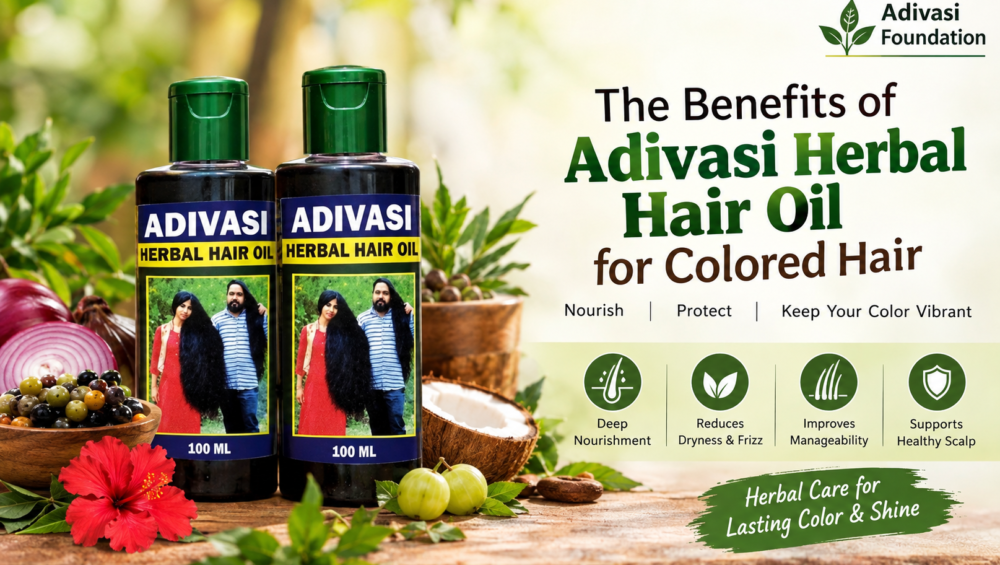
Many people include Adivasi Hair Oil in their routine because it contains traditional herbal ingredients selected to support healthy-looking hair. Gentle scalp massage with oil may also improve relaxation while helping distribute nourishment evenly across the scalp.

For best results:

  • Warm the oil slightly before application.
  • Massage gently using fingertips.
  • Leave it on for several hours or overnight if suitable.
  • Wash with a mild shampoo.

Consistency often produces better outcomes than occasional use.

Eat a Balanced Diet

Hair is primarily made of protein, making nutrition one of the most important aspects of healthy hair growth.

Include foods rich in:

Protein

Hair requires amino acids to build strong strands.

Examples include:

  • Eggs
  • Lentils
  • Beans
  • Fish
  • Chicken
  • Dairy products
  • Soy products

Iron

Iron helps transport oxygen throughout the body, including to hair follicles.

Good sources include:

  • Spinach
  • Beetroot
  • Pumpkin seeds
  • Red meat
  • Legumes

Zinc

Zinc supports normal tissue growth and repair.

Sources include:

  • Nuts
  • Seeds
  • Chickpeas
  • Whole grains

Biotin

Biotin contributes to healthy hair maintenance.

Natural sources include:

  • Eggs
  • Almonds
  • Sweet potatoes
  • Mushrooms

Omega-3 Fatty Acids

Healthy fats help nourish the scalp.

Sources include:

  • Walnuts
  • Flaxseeds
  • Chia seeds
  • Fatty fish

Stay Properly Hydrated

Water supports numerous bodily functions, including nutrient transport and skin health. Since the scalp is also skin, adequate hydration helps maintain its natural balance.

Drinking sufficient water throughout the day may reduce dryness while supporting healthy body functions associated with hair health.

Reduce Heat Styling

Frequent use of straighteners, curling irons, and blow dryers can weaken hair over time.

To minimize damage:

  • Air dry hair whenever possible.
  • Use lower heat settings.
  • Apply heat protectants.
  • Limit styling frequency.
  • Avoid repeated exposure to high temperatures.

Healthier strands are generally less prone to breakage.

Avoid Tight Hairstyles

Constant tension placed on the scalp may weaken hair roots.

Consider avoiding prolonged use of:

  • Tight ponytails
  • Tight braids
  • Heavy hair extensions
  • Tight buns

Choosing looser hairstyles allows the scalp to remain comfortable while reducing unnecessary strain on follicles.

Massage the Scalp Regularly

Scalp massage remains one of the simplest natural practices for supporting healthy hair care.

Benefits may include:

  • Improved blood circulation
  • Relaxation
  • Better oil distribution
  • Reduced scalp tightness

Using Adivasi Hair Oil during massage may further support a nourishing hair care routine.

Even five to ten minutes several times each week can become a beneficial habit.

Protect Hair from Environmental Damage

Daily exposure to sunlight, dust, wind, and pollution can gradually affect hair quality.

Protective measures include:

  • Wearing hats outdoors
  • Covering hair during excessive sun exposure
  • Washing away accumulated pollutants
  • Using moisturizing conditioners
  • Trimming damaged ends regularly

Healthy protection helps preserve natural shine and softness.

Manage Stress Effectively

Stress may contribute to temporary hair shedding in some individuals.

Natural stress management practices include:

  • Walking
  • Meditation
  • Deep breathing
  • Reading
  • Regular exercise
  • Quality sleep
  • Spending time outdoors

Maintaining emotional well-being supports overall body health, including the scalp.

Sleep Well Every Night

Quality sleep allows the body to repair and regenerate tissues.

Adults generally benefit from seven to nine hours of restful sleep each night. Consistent sleep patterns support many biological processes involved in healthy skin and hair maintenance.

Avoid Excessive Chemical Treatments

Frequent coloring, bleaching, rebonding, or chemical straightening may weaken hair structure.

If using chemical treatments:

  • Space appointments apart.
  • Deep condition regularly.
  • Trim damaged sections.
  • Use sulfate-free cleansers where appropriate.
  • Follow proper aftercare.

Healthier hair often retains moisture and elasticity more effectively.

Choose Gentle Hair Care Products

Hair products vary widely in formulation.

Look for products that:

  • Match your scalp type
  • Avoid excessive harsh ingredients
  • Support moisture balance
  • Clean effectively without over-drying

Natural hair care products are increasingly preferred by individuals seeking gentler alternatives.

Trim Hair Regularly

Although trimming does not directly increase hair growth from the scalp, removing split ends helps maintain healthier-looking lengths.

Regular trimming reduces breakage, allowing hair to appear fuller and stronger over time.

Include Herbal Ingredients in Hair Care

Traditional herbs have remained popular for supporting scalp care.

Common ingredients include:

  • Aloe vera
  • Amla
  • Bhringraj
  • Hibiscus
  • Fenugreek
  • Neem
  • Brahmi

These ingredients are frequently incorporated into herbal oils and hair masks used in regular routines.

Adivasi Hair Oil combines traditional herbal knowledge with carefully selected ingredients intended to support healthier-looking hair when used consistently.

Do Not Overwash Hair

Washing too frequently may remove natural oils that help protect hair.

The ideal washing schedule depends on:

  • Scalp oiliness
  • Physical activity
  • Weather conditions
  • Hair texture

Maintaining a balanced routine helps preserve natural moisture.

Eat More Fresh Fruits and Vegetables

Colorful fruits and vegetables provide vitamins and antioxidants that support overall health.

Examples include:

  • Oranges
  • Berries
  • Carrots
  • Tomatoes
  • Spinach
  • Bell peppers
  • Papaya

These foods contribute nutrients that support healthy skin and scalp function.

Avoid Smoking and Limit Alcohol

Lifestyle habits influence overall health.

Smoking reduces circulation, while excessive alcohol intake may contribute to nutritional imbalances. Supporting general wellness often benefits hair quality over time.

Keep Hair Moisturized

Dry hair becomes more susceptible to breakage.

Ways to retain moisture include:

  • Applying natural oils
  • Using conditioners
  • Limiting harsh shampoos
  • Avoiding excessive heat
  • Protecting hair during extreme weather

Moisturized hair generally appears shinier and smoother.

Exercise Regularly

Physical activity improves circulation throughout the body.

Regular movement supports nutrient delivery and promotes overall health.

Suitable activities include:

  • Walking
  • Cycling
  • Yoga
  • Swimming
  • Strength training

Consistency matters more than intensity.

Be Patient with Natural Hair Care

Natural routines rarely produce overnight changes.

Hair grows gradually, and improvements often become noticeable after maintaining healthy habits for several months.

Avoid switching products too frequently. Instead, establish a balanced routine that combines:

  • Nutritious meals
  • Hydration
  • Gentle cleansing
  • Scalp massage
  • Quality sleep
  • Stress management
  • Regular use of Adivasi Hair Oil

Common Mistakes That Affect Hair Health

Many people unknowingly develop habits that weaken their hair.

Some examples include:

  • Aggressive towel drying
  • Brushing wet hair roughly
  • Skipping conditioner
  • Using dirty hairbrushes
  • Applying excessive styling products
  • Sleeping with tight hairstyles
  • Ignoring scalp health

Replacing these habits with gentler practices helps protect hair over time.

Building a Sustainable Hair Care Routine

Consistency often matters more than expensive treatments. A practical routine may include:

Morning

  • Eat a protein-rich breakfast.
  • Drink enough water.
  • Protect hair before stepping outdoors.

Weekly

  • Massage the scalp with Adivasi Hair Oil.
  • Wash using a mild shampoo.
  • Apply conditioner.
  • Clean combs and brushes.

Monthly

  • Trim split ends if needed.
  • Review your hair care products.
  • Continue healthy eating and hydration habits.

Following a structured routine encourages healthier-looking hair while reducing unnecessary damage.

Why Natural Hair Care Continues to Gain Attention

Natural hair care focuses on supporting the scalp and hair using gentle practices instead of relying solely on quick cosmetic solutions. Traditional herbal ingredients, balanced nutrition, regular scalp care, and healthy lifestyle habits work together to improve overall hair appearance.

Many individuals choose herbal oils because they fit easily into long-term routines and complement healthy daily habits. Products such as Adivasi Hair Oil become even more effective when paired with proper nutrition, hydration, stress management, and consistent scalp care.

Conclusion

Healthy hair growth begins with daily choices rather than temporary fixes. A balanced diet, proper hydration, regular scalp massage, gentle cleansing, stress management, and protective hair care habits all contribute to stronger, healthier-looking hair over time. Consistency remains the key to achieving lasting results.

Adivasi Foundation encourages a natural approach that combines traditional herbal wisdom with healthy lifestyle practices. Including Adivasi Hair Oil as part of a regular hair care routine, alongside mindful nutrition and scalp care, can help support healthier hair while promoting long-term scalp wellness.

FAQs

Many people apply Adivasi Hair Oil two to three times a week. Gently massaging it into the scalp and leaving it on for a few hours before washing can become an effective routine.

Protein-rich foods, leafy vegetables, nuts, seeds, fruits, eggs, legumes, and foods containing iron, zinc, biotin, and omega-3 fatty acids help support healthy hair from within.

Hair grows gradually, so visible improvements usually require consistent care over several weeks or months. Maintaining a balanced routine with proper nutrition, scalp care, and Adivasi Hair Oil offers the best opportunity for long-term results.

100% Original Adivasi Hair OilCategoriesBlog

Adivasi Hair Oil Ingredients: Natural Herbs That Support Healthy Hair

Healthy hair has always been linked to proper nourishment, consistent care, and the use of natural herbs. Across generations, traditional communities have relied on plant-based ingredients to strengthen hair, reduce breakage, and maintain scalp health. These herbal combinations continue to attract people who prefer natural alternatives over products filled with harsh chemicals.

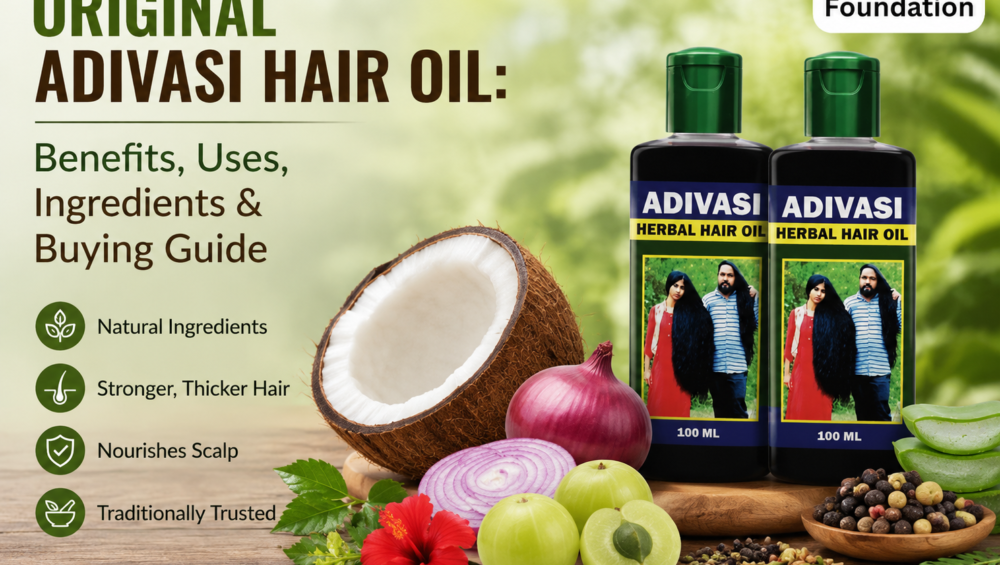
Adivasi Hair Oil combines carefully selected herbs that have been valued for centuries. Every ingredient contributes unique properties that work together to support healthy hair growth, nourish the scalp, and improve overall hair quality. At Adivasi Foundation, the emphasis remains on preserving traditional herbal knowledge while offering a carefully prepared oil suitable for modern lifestyles.

Why Natural Herbal Ingredients Matter for Hair Care

Hair is constantly exposed to pollution, sunlight, dust, heat styling, chemical treatments, and changing weather conditions. These external factors often weaken hair roots, dry out the scalp, and cause premature hair fall.

Natural herbs offer a gentle approach by supplying essential nutrients directly to the scalp. Unlike synthetic formulations that may provide temporary cosmetic effects, herbal ingredients focus on improving scalp health, which forms the foundation for healthier hair.

Regular use of herbal oils may help:

  • Nourish hair follicles
  • Maintain scalp moisture
  • Reduce dryness
  • Improve hair texture
  • Minimize hair breakage
  • Support stronger roots
  • Add natural shine
  • Encourage healthier hair growth

The effectiveness of any herbal oil depends largely on the quality and balance of its ingredients.

The Philosophy Behind Adivasi Hair Oil

Traditional tribal communities have long relied on medicinal plants for personal care. Their knowledge comes from observing nature and passing herbal practices from one generation to another.

Adivasi Hair Oil follows this traditional philosophy by combining multiple herbs known for supporting scalp wellness. Rather than depending on a single ingredient, the formulation uses complementary herbs that work together for better nourishment.

Each botanical ingredient plays a specific role, whether it is strengthening roots, conditioning hair strands, soothing the scalp, or maintaining natural moisture.

Bhringraj – The Traditional Hair Strengthening Herb

Bhringraj has earned recognition as one of the most respected herbs in traditional hair care.

It is commonly associated with:

  • Stronger hair roots
  • Reduced hair breakage
  • Better scalp nourishment
  • Improved hair texture
  • Natural hair shine

Its nutrient-rich composition helps nourish hair follicles while supporting healthier-looking hair over time.

Many herbal formulations include Bhringraj because it complements several other medicinal herbs without causing excessive scalp irritation.

Amla – Rich Source of Natural Nutrients

Amla is one of the most widely used fruits in herbal hair preparations.

Its nutritional profile includes:

  • Vitamin C
  • Antioxidants
  • Essential minerals
  • Natural plant compounds

These nutrients help support scalp health while improving hair appearance.

Potential benefits include:

  • Better scalp nourishment
  • Improved hair strength
  • Reduced dullness
  • Enhanced natural shine
  • Support for healthier roots

Its antioxidant properties may also help protect hair from environmental stress.

Brahmi – Supporting Scalp Wellness

Brahmi has traditionally been valued for calming and nourishing the scalp.

Healthy hair begins with a balanced scalp environment, making Brahmi an important herbal ingredient.

Its potential advantages include:

  • Improved scalp comfort
  • Better moisture balance
  • Reduced dryness
  • Enhanced hair softness
  • Support for healthier follicles

Regular nourishment helps create favorable conditions for stronger hair growth.

Neem – Nature’s Scalp Protector

Neem has been used in herbal remedies for centuries because of its cleansing properties.

It is often included in hair oils because it helps maintain scalp hygiene.

Benefits commonly associated with Neem include:

  • Cleaner scalp
  • Reduced buildup
  • Better scalp freshness
  • Balanced oil production
  • Improved scalp condition

A healthier scalp creates an environment that supports stronger hair.

Hibiscus – Natural Hair Conditioning

Hibiscus flowers contain natural compounds that help improve hair softness.

Traditionally, Hibiscus has been used for:

  • Hair conditioning
  • Improved elasticity
  • Reduced dryness
  • Better manageability
  • Enhanced shine

Its moisturizing qualities help reduce roughness, making hair easier to style and less prone to breakage.

Fenugreek – Supporting Hair Thickness

Fenugreek seeds contain proteins, vitamins, and minerals that contribute to healthier-looking hair.

Their nutritional profile supports:

  • Hair strength
  • Reduced breakage
  • Better hair texture
  • Improved softness
  • Stronger strands

Fenugreek also helps condition dry hair while improving smoothness.

Aloe Vera – Hydration for the Scalp

Proper hydration is essential for maintaining scalp comfort.

Aloe Vera naturally contains moisture-rich compounds that help:

  • Hydrate the scalp
  • Reduce dryness
  • Improve softness
  • Maintain scalp balance
  • Enhance hair texture

Its soothing nature makes it suitable for regular scalp care.

Curry Leaves – Nutrient-Rich Herbal Support

Curry leaves contain several nutrients beneficial for hair care.

Traditionally they have been associated with:

  • Hair nourishment
  • Root strengthening
  • Better scalp nutrition
  • Healthy-looking hair
  • Improved natural shine

Their nutrient profile complements other herbs used in herbal oils.

Coconut Oil – A Trusted Carrier Oil

Herbal ingredients require an effective carrier oil for proper absorption.

Coconut oil remains one of the most preferred choices because it:

  • Penetrates hair shafts effectively
  • Helps retain moisture
  • Reduces protein loss
  • Improves softness
  • Supports smoother hair

Its natural conditioning ability enhances the overall performance of herbal ingredients.

Sesame Oil – Deep Nourishment

Sesame oil has long been used in traditional hair massage therapies.

Its benefits include:

  • Deep scalp nourishment
  • Better moisture retention
  • Improved softness
  • Hair conditioning
  • Support for healthy roots

It also helps distribute herbal extracts evenly across the scalp.

Castor Oil – Supporting Hair Density

Castor oil is known for its thick consistency and nourishing fatty acids.

Many herbal formulations include it because it helps:

  • Strengthen hair strands
  • Reduce breakage
  • Improve hair texture
  • Enhance moisture retention
  • Support fuller-looking hair

When blended correctly, castor oil complements lighter oils without making hair excessively greasy.

Licorice – Gentle Herbal Care

Licorice root has traditionally been included in herbal hair preparations for its soothing qualities.

Its role may include:

  • Supporting scalp comfort
  • Maintaining moisture
  • Reducing dryness
  • Helping improve scalp condition

Its mild nature works well alongside stronger botanical extracts.

Shikakai – Traditional Hair Cleanser

Although commonly used in herbal cleansers, Shikakai is also valued in hair oils.

It contributes to:

  • Hair nourishment
  • Better manageability
  • Improved softness
  • Stronger strands
  • Healthy scalp maintenance

Its traditional use reflects centuries of herbal hair care practices.

How Multiple Herbs Work Together

Individual herbs provide valuable nutrients, but combining several botanical ingredients often produces better overall results.

For example:

  • Bhringraj supports stronger roots.
  • Amla contributes antioxidant nourishment.
  • Neem helps maintain scalp cleanliness.
  • Hibiscus conditions hair.
  • Aloe Vera hydrates the scalp.
  • Fenugreek strengthens hair strands.
  • Coconut oil improves ingredient absorption.

Together, these ingredients create a balanced herbal formulation designed to address multiple aspects of hair care rather than focusing on a single concern.

Why Consistency Matters

Natural herbal oils generally require regular application for noticeable improvement.

Hair grows gradually, and healthy follicles depend on continuous nourishment.

A consistent routine may include:

  • Applying oil two or three times each week
  • Massaging the scalp gently
  • Allowing sufficient absorption time
  • Washing with a mild cleanser
  • Maintaining a balanced diet
  • Drinking enough water

Patience is important because herbal care works by gradually supporting healthier scalp conditions.

Who Can Use Adivasi Hair Oil?

Adivasi Hair Oil may be suitable for individuals experiencing common hair concerns such as:

  • Hair fall
  • Dry scalp
  • Rough hair texture
  • Weak roots
  • Dull appearance
  • Split ends
  • Frizzy hair
  • Lack of natural shine

People with different hair types often choose herbal oils because plant-based ingredients focus on nourishment rather than temporary cosmetic coating.

Those with sensitive skin or existing scalp conditions should perform a patch test before regular use or consult a healthcare professional if needed.

Choosing Quality Herbal Hair Oils

Not every herbal oil offers the same level of quality.

When selecting a product, consider:

Ingredient Transparency

Look for clearly listed herbal ingredients.

Traditional Preparation

Products inspired by authentic herbal practices often maintain ingredient balance.

Chemical-Free Formulation

Many users prefer oils with minimal artificial additives.

Quality Manufacturing

Proper preparation helps preserve herbal properties.

Trusted Brand

A company that values authenticity and traditional knowledge often delivers more reliable products.

Adivasi Foundation focuses on combining traditional herbal wisdom with careful preparation to create formulations centered on natural hair nourishment.

Supporting Healthy Hair Beyond Herbal Oil

Hair care extends beyond topical applications.

Healthy habits that complement herbal oil use include:

Balanced Nutrition

Protein, vitamins, iron, and healthy fats contribute to stronger hair.

Proper Hydration

Water supports overall scalp health.

Stress Management

High stress levels may affect normal hair growth cycles.

Gentle Hair Care

Avoid excessive heat styling and harsh chemical treatments whenever possible.

Regular Scalp Massage

Massaging improves circulation while helping distribute herbal oils evenly.

When combined with Adivasi Hair Oil, these habits create a more complete hair care routine.

Common Misconceptions About Herbal Hair Oils

Some people expect immediate transformation after only a few applications.

Natural herbal ingredients generally support gradual improvement by nourishing the scalp over time.

Another misconception is that using more oil automatically produces better results. Moderate application combined with regular use is usually more beneficial than excessive amounts.

Some individuals also believe herbal oils only suit dry hair. In reality, many formulations can be suitable for different hair types when applied appropriately.

Final Thoughts

Healthy hair begins with healthy roots, and natural herbs continue to play an important role in supporting scalp nourishment. Traditional botanical ingredients such as Bhringraj, Amla, Neem, Hibiscus, Brahmi, Aloe Vera, Fenugreek, Curry Leaves, and nourishing carrier oils each contribute unique benefits that work together to improve overall hair quality. Adivasi Hair Oil reflects this traditional approach by combining carefully selected herbal ingredients that support stronger, shinier, and healthier-looking hair through regular use. Adivasi Foundation remains committed to preserving herbal knowledge while offering a natural solution for individuals seeking long-term hair care supported by trusted botanical ingredients.

FAQs

Adivasi Hair Oil helps nourish hair roots, maintain scalp moisture, strengthen hair strands, reduce breakage, improve texture, and promote healthier-looking hair through regular application.

Yes. Adivasi Hair Oil is generally suitable for straight, wavy, curly, and coily hair. Individuals with sensitive skin should perform a patch test before regular use.

For best results, Adivasi Hair Oil can be applied two to three times a week with a gentle scalp massage, allowing sufficient time for the herbal ingredients to nourish the scalp before washing.

Original Adivasi Hair OilCategoriesBlog

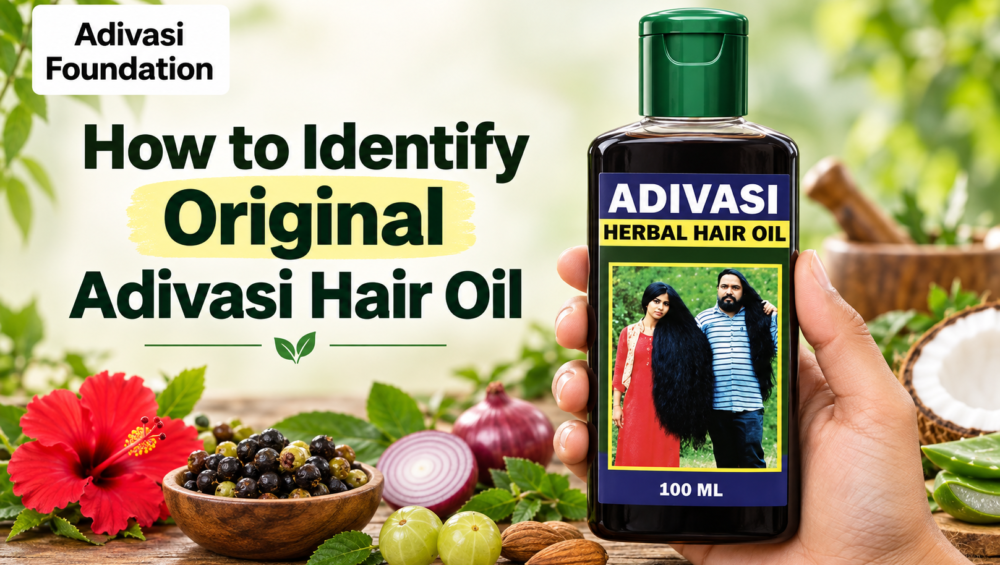
How to Identify Original Adivasi Hair Oil: A Complete Buyer’s Guide

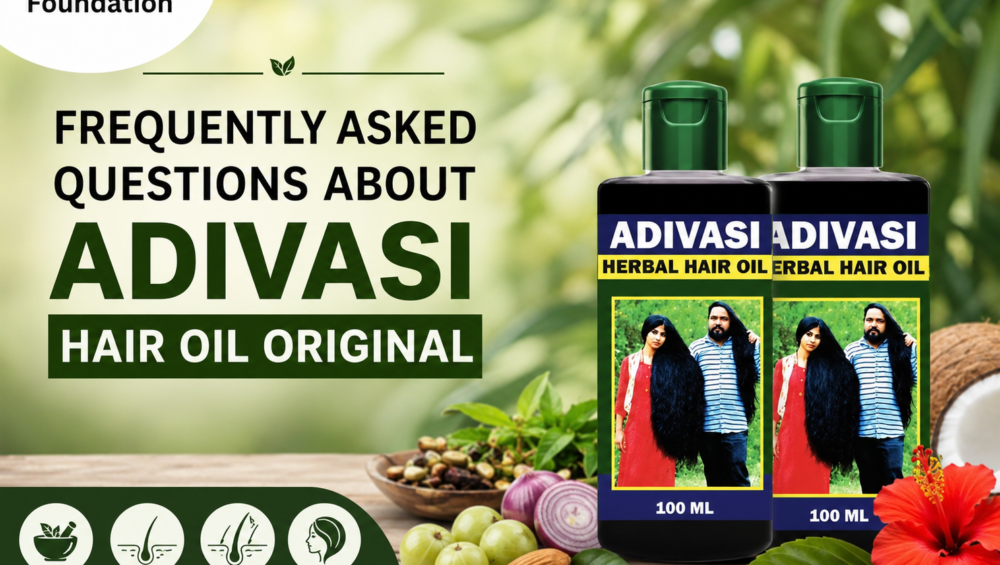
Hair care has always been an important part of personal wellness. Many people are returning to traditional herbal solutions because they are made with natural ingredients and are inspired by age-old practices. Among these, Original Adivasi Hair Oil has become a preferred choice for people looking for a natural hair care solution that supports healthy-looking hair.

As demand continues to grow, counterfeit and duplicate products have also entered the market. Many buyers unknowingly purchase fake hair oils that imitate authentic brands through similar packaging, misleading labels, and unrealistic promises. Such products often fail to deliver expected results and may even contain ingredients that are not suitable for regular use.

If you are planning to purchase Original Adivasi Hair Oil, knowing how to distinguish an authentic product from a fake one is essential. This information explains the important factors every buyer should check before making a purchase.

Why Authenticity Matters

Natural hair oils prepared using carefully selected herbs require quality ingredients and proper manufacturing practices. Authentic products are formulated with consistency, whereas counterfeit products may use low-quality substitutes or synthetic additives.

Choosing an original product helps you:

  • Receive the intended herbal formulation.
  • Reduce the risk of harmful ingredients.
  • Get better product quality.
  • Experience the benefits associated with genuine herbal hair oils.
  • Build confidence in every purchase.

Buying from a trusted source also ensures transparency regarding ingredients, usage instructions, and customer support.

What Makes Original Adivasi Hair Oil Different?

Original Adivasi Hair Oil is valued because it is inspired by traditional herbal knowledge and combines multiple natural ingredients that have been used for generations in hair care.

The focus is generally on:

  • Herbal ingredients
  • Natural nourishment
  • Scalp care
  • Hair strengthening
  • Routine maintenance

Rather than relying on harsh chemicals, authentic formulations emphasize botanical extracts and herbal oils that support overall hair care.

Common Problems in the Market

Many duplicate sellers attempt to copy successful products. They often imitate:

  • Product labels
  • Brand names
  • Bottle colors
  • Logos
  • Packaging style

At first glance, fake products may appear genuine. However, careful observation usually reveals noticeable differences.

Some counterfeit products may even use copied product photographs from genuine websites to mislead customers.

Signs of Original Adivasi Hair Oil

1. Purchase Only from the Official Website

The safest way to purchase Original Adivasi Hair Oil is directly from the official website of Adivasi Foundation.

Buying directly offers several advantages:

  • Authentic products
  • Original packaging
  • Reliable customer support
  • Secure payment methods
  • Genuine product information

Avoid purchasing from unknown websites that have little company information or no customer service.

2. Carefully Check the Brand Name

Counterfeit sellers often create names that closely resemble established brands.

Examples include:

  • Slight spelling changes
  • Extra words
  • Similar fonts
  • Similar logos

Always read the complete brand name carefully before placing an order.

3. Examine the Packaging Quality

Authentic products generally maintain consistent packaging quality.

Check for:

  • Clear printing
  • Professional label design
  • Proper alignment
  • Good color quality
  • Clean bottle finish

Poor printing quality, blurry images, or faded labels can indicate counterfeit products.

4. Read the Ingredient List

An authentic herbal hair oil should clearly mention its ingredients.

Look for:

  • Herbal oils
  • Botanical extracts
  • Natural ingredients
  • Manufacturing details

Avoid products that hide ingredient information or provide incomplete details.

Transparency reflects the manufacturer’s confidence in product quality.

5. Verify Manufacturer Information

Every authentic product should provide manufacturer details.

Check for:

  • Company name
  • Address
  • Customer support information
  • Batch number
  • Manufacturing date
  • Expiry date

Missing information should be considered a warning sign.

6. Check Batch Number and Manufacturing Details

Genuine manufacturers follow proper production standards.

Each bottle generally includes:

  • Batch number
  • Manufacturing date
  • Expiry date
  • Product identification details

These details help maintain quality control and product traceability.

7. Look for Proper Label Information

A professional label usually contains:

  • Product name
  • Usage instructions
  • Ingredient information
  • Storage instructions
  • Manufacturer details
  • Net quantity

Missing or incomplete labels often indicate duplicate products.

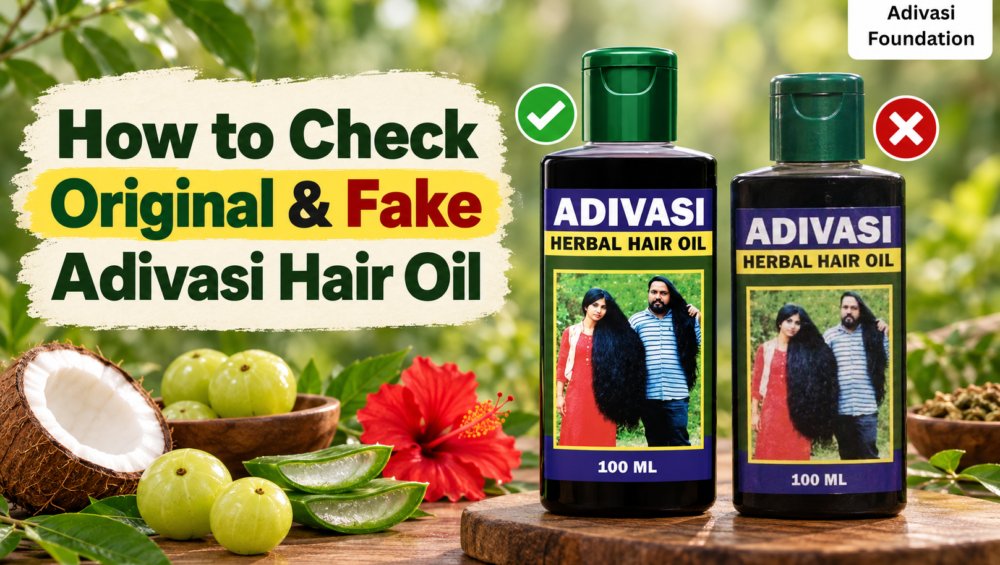
8. Compare Product Images

Before purchasing, compare the product images on the seller’s website with those shown on the official Adivasi Foundation website.

Pay attention to:

  • Bottle shape
  • Label design
  • Cap color
  • Logo placement
  • Product description

Even small differences may indicate imitation products.

9. Beware of Unrealistic Prices

Everyone likes discounts, but extremely low prices often indicate counterfeit products.

If a seller is offering Original Adivasi Hair Oil at a price far below the official selling price, proceed carefully.

Authentic herbal ingredients have production costs that generally remain consistent.

If an offer seems unusually attractive, verify its authenticity before purchasing.

10. Read Genuine Customer Reviews

Customer feedback provides valuable insights.

Look for reviews that discuss:

  • Packaging
  • Delivery
  • Product quality
  • Buying experience
  • Customer support

Reviews that appear repetitive or overly promotional may not always be reliable.

Authentic reviews usually describe real experiences in simple language.

Red Flags That Suggest a Fake Product

Stay cautious if you notice any of the following:

  • No manufacturer information
  • No ingredient list
  • Blurry packaging
  • Spelling mistakes
  • Extremely cheap pricing
  • No customer support
  • Poor website quality
  • Fake-looking reviews
  • Missing expiry date
  • Unsealed bottles

One warning sign may not always confirm a fake product, but several together should raise concerns.

Importance of Herbal Ingredients

One of the biggest reasons people choose Original Adivasi Hair Oil is its herbal composition.

Natural herbs have long been valued for supporting healthy hair care routines.

Quality ingredients may help:

  • Nourish the scalp
  • Improve hair manageability
  • Support stronger-looking hair
  • Maintain scalp comfort
  • Add natural shine

The quality of these herbs depends on proper sourcing and careful formulation.

Safe Storage Tips

Even authentic products require proper storage.

Keep the bottle:

  • Away from direct sunlight
  • In a cool, dry place
  • Tightly closed after use
  • Away from moisture
  • Out of reach of children

Proper storage helps preserve the quality of herbal ingredients.

How to Use Original Adivasi Hair Oil

Although individual usage instructions may vary, a common routine includes:

  1. Take a suitable amount of oil.
  2. Apply gently to the scalp.
  3. Massage using circular motions.
  4. Spread evenly through the hair.
  5. Leave it on for several hours or overnight if preferred.
  6. Wash with a mild shampoo.

Consistency is often more beneficial than excessive application.

Why Counterfeit Products Can Be Risky

Duplicate products may contain unknown ingredients that have not been properly tested.

Possible concerns include:

  • Inferior oils
  • Artificial fragrances
  • Low-quality additives
  • Poor manufacturing standards
  • Inconsistent formulation

These products may not deliver the expected experience associated with authentic herbal hair oils.

Benefits of Buying from Adivasi Foundation

Choosing Adivasi Foundation offers greater confidence because customers receive products directly from the original source.

Benefits include:

  • Authentic Original Adivasi Hair Oil
  • Reliable customer support
  • Transparent product information
  • Quality-focused manufacturing
  • Secure purchasing experience
  • Trusted brand reputation

Buying directly reduces the chances of receiving counterfeit products.

Final Thoughts

Buying Original Adivasi Hair Oil is more than selecting a herbal hair care product—it is about choosing authenticity, quality, and trust. As counterfeit products continue to appear across online marketplaces and social media platforms, buyers should pay close attention to product details before making a purchase.

Checking the manufacturer information, ingredient list, packaging quality, pricing, batch number, and seller credibility can significantly reduce the chances of buying a duplicate product. Taking a few extra minutes to verify these details helps ensure that you receive the genuine formulation you expect.

Adivasi Foundation remains committed to offering authentic herbal hair care products with complete transparency and customer satisfaction. Purchasing directly from a trusted source gives you confidence that you are receiving Original Adivasi Hair Oil, made with care and backed by reliable support. When authenticity comes first, your hair care routine begins with the right choice.

FAQs

High demand often attracts counterfeit sellers who attempt to imitate popular products using similar packaging and misleading branding.

Not always. However, prices that are significantly lower than the official selling price should be treated with caution.

Yes. Genuine customer reviews can provide useful information about product quality, packaging, and overall buying experience.

Since fake products may contain unknown or low-quality ingredients, they may not provide the same quality or consistency as authentic herbal formulations.

Adivasi Hair OilCategoriesBlog

What Is Adivasi Hair Oil?

Healthy hair has always been associated with confidence and personal care. While countless hair care products are available in the market, many people are returning to herbal formulations inspired by traditional practices. One such product gaining widespread attention is Adivasi Hair Oil. Known for its natural ingredients and herbal preparation, this oil has become a preferred choice for people seeking chemical-free hair nourishment.

At Adivasi Foundation, we believe that nature provides powerful ingredients that can support healthy hair when used consistently. Our carefully prepared Adivasi Hair Oil combines selected herbs and traditional knowledge to create a formula that nourishes the scalp, strengthens hair roots, and promotes naturally healthy hair.

This page explains everything you need to know about Adivasi Hair Oil, including its ingredients, benefits, working process, application method, and tips for achieving the best results.

What Is Adivasi Hair Oil?

Adivasi Hair Oil is a herbal hair care oil prepared using a combination of natural herbs, plant extracts, and nourishing carrier oils. Inspired by traditional tribal herbal knowledge, it is designed to provide essential nutrients to both the scalp and hair.

Unlike many commercial hair oils that may contain synthetic fragrances, mineral oils, or harsh chemicals, authentic Adivasi Hair Oil focuses on botanical ingredients known for their nourishing properties.

Its primary purpose is to:

  • Nourish the scalp
  • Strengthen hair roots
  • Support healthy hair growth
  • Reduce dryness
  • Improve hair texture
  • Help maintain naturally shiny hair

When used regularly with proper hair care practices, herbal oils can become an important part of a healthy hair routine.

Why Herbal Hair Oils Are Becoming Popular

Many individuals are becoming more conscious about the products they apply to their skin and hair. Continuous exposure to pollution, heat styling, stress, poor diet, and chemical-based products often affects hair quality.

Herbal oils offer several advantages because they work gently while supplying nutrients directly to the scalp.

People often choose herbal oils because they:

  • Contain plant-based ingredients
  • Support scalp nourishment
  • Help maintain moisture balance
  • Are suitable for regular massage
  • Complement healthy hair care routines

This growing preference has contributed to the popularity of Adivasi Hair Oil.

Key Ingredients Found in Adivasi Hair Oil

The effectiveness of any herbal oil depends on the quality of its ingredients. Although formulations may vary, premium Adivasi Hair Oil generally includes carefully selected herbs and natural oils.

1. Bhringraj

Often called the “King of Herbs” for hair care, Bhringraj is widely valued in traditional herbal practices.

Benefits include:

  • Supports stronger roots
  • Nourishes the scalp
  • Helps improve hair texture
  • Encourages healthy-looking hair

2. Amla

Amla is naturally rich in nutrients that help maintain healthy hair.

It helps:

  • Nourish the scalp
  • Improve hair shine
  • Support stronger strands
  • Maintain scalp health

3. Brahmi

Brahmi has long been associated with scalp nourishment.

It may help:

  • Soothe the scalp
  • Support healthy hair roots
  • Improve overall hair appearance

4. Hibiscus

Hibiscus flowers have traditionally been used in herbal hair care.

Benefits include:

  • Hair conditioning
  • Supporting smooth texture
  • Maintaining scalp hydration

5. Neem

Neem is widely known for maintaining scalp cleanliness.

It helps:

  • Keep the scalp fresh
  • Support scalp hygiene
  • Promote a balanced scalp environment

6. Coconut Oil

Coconut oil serves as an excellent carrier oil.

Its advantages include:

  • Deep nourishment
  • Improved softness
  • Moisture retention
  • Hair conditioning

7. Sesame Oil

Sesame oil has been used in Ayurvedic traditions for centuries.

It helps:

  • Nourish dry scalp
  • Improve hair manageability
  • Support healthy hair roots

8. Other Herbal Extracts

Depending on the formulation, additional herbs may include:

  • Fenugreek
  • Curry leaves
  • Aloe vera
  • Henna
  • Licorice
  • Rosemary
  • Kalonji
  • Jatamansi

These herbs work together to provide balanced nourishment.

How Does Adivasi Hair Oil Work?

Hair health begins at the scalp. A nourished scalp creates a healthier environment for maintaining strong and beautiful hair.

When gently massaged into the scalp, Adivasi Hair Oil helps:

  • Deliver herbal nutrients
  • Improve scalp hydration
  • Condition hair roots
  • Reduce dryness
  • Improve overall hair texture
  • Maintain natural shine

Regular scalp massage also promotes better distribution of oil throughout the hair strands.

Benefits of Adivasi Hair Oil

Supports Healthy Hair Growth

Healthy hair starts with healthy roots. Herbal nourishment helps maintain stronger roots that support natural hair growth.

Nourishes the Scalp

Dry scalp can lead to discomfort and dull-looking hair.

Regular oil massage helps:

  • Hydrate the scalp
  • Maintain natural moisture
  • Improve scalp comfort

Strengthens Hair Roots

Strong roots reduce everyday hair breakage caused by combing and styling.

Improves Hair Texture

Consistent application makes hair appear:

  • Softer
  • Smoother
  • More manageable
  • Naturally shiny

Helps Control Dryness

Environmental pollution and excessive shampoo use often strip natural oils.

Herbal oil replenishes moisture and restores softness.

Reduces Hair Breakage

Conditioned hair becomes less prone to:

  • Split ends
  • Dryness
  • Frizz
  • Breakage

Supports Scalp Massage

A relaxing scalp massage offers multiple advantages, including improved relaxation while evenly distributing herbal nutrients.

Suitable for Routine Hair Care

Natural herbal oils are generally preferred for regular hair care routines because they provide gentle nourishment.

Who Can Use Adivasi Hair Oil?

Adivasi Hair Oil is suitable for:

  • Men
  • Women
  • Young adults
  • Individuals with dry hair
  • People with dull hair
  • People seeking herbal hair nourishment

Individuals with sensitive skin should perform a patch test before full application.

How to Apply Adivasi Hair Oil

Using the oil correctly helps maximize its benefits.

Step 1

Take a small quantity of oil.

Step 2

Massage gently into the scalp using your fingertips.

Step 3

Apply evenly from roots to hair ends.

Step 4

Leave it on for several hours or overnight.

Step 5

Wash with a mild shampoo.

For best results, apply 2–3 times a week as part of your regular hair care routine.

Tips for Better Hair Health

Using Adivasi Hair Oil alongside healthy habits can improve overall hair care.

Eat Nutritious Foods

Include:

  • Fresh fruits
  • Leafy vegetables
  • Protein-rich foods
  • Nuts
  • Seeds

Drink Enough Water

Hydration supports overall skin and scalp health.

Avoid Excessive Heat

Reduce frequent use of:

  • Hair straighteners
  • Curling irons
  • High-heat dryers

Choose Mild Hair Products

Gentle shampoos help preserve the scalp’s natural moisture balance.

Massage Regularly

Regular scalp massage improves the distribution of herbal oils and supports healthy scalp care.

Common Reasons People Choose Adivasi Hair Oil

Many people prefer Adivasi Hair Oil because it offers:

  • Herbal ingredients
  • Traditional preparation methods
  • Natural nourishment
  • Suitable for routine use
  • Chemical-free hair care approach
  • Long-standing herbal practices

Why Choose Adivasi Foundation?

Choosing authentic herbal products is essential for achieving the desired results.

At Adivasi Foundation, quality remains our highest priority.

Our commitment includes:

  • Carefully selected herbal ingredients
  • Traditional preparation methods
  • High-quality processing standards
  • Focus on customer satisfaction
  • Naturally inspired formulations
  • Reliable product quality

Our objective is to provide customers with herbal hair care solutions that align with traditional wisdom while meeting modern quality expectations.

How Long Should You Use Adivasi Hair Oil?

Natural hair care works gradually.

Hair health depends on several factors, including:

  • Genetics
  • Nutrition
  • Lifestyle
  • Hair care routine
  • Scalp condition

Consistent use of Adivasi Hair Oil along with healthy habits can help maintain nourished, healthier-looking hair over time.

Storage Tips

To preserve product quality:

  • Store in a cool, dry place.
  • Keep away from direct sunlight.
  • Close the bottle tightly after every use.
  • Keep out of reach of children.

Proper storage helps maintain the effectiveness of the herbal ingredients.

Final Thoughts

Adivasi Hair Oil combines the goodness of carefully selected herbs with traditional preparation methods to support healthier hair naturally. Regular scalp nourishment, consistent application, and a balanced lifestyle work together to improve overall hair care.

At Adivasi Foundation, we are committed to offering authentic herbal hair care solutions that prioritize quality, purity, and traditional knowledge. Whether your goal is to nourish your scalp, strengthen your hair, or maintain soft and naturally shiny locks, Adivasi Hair Oil can become a valuable part of your regular hair care routine.

FAQs

For best results, apply Adivasi Hair Oil 2–3 times a week. Massage it gently into the scalp, leave it on for a few hours or overnight, and wash it off with a mild shampoo.

Yes. Adivasi Hair Oil is suitable for both men and women looking for a herbal solution to nourish their scalp and maintain healthy, strong, and naturally shiny hair.

Adivasi Foundation focuses on carefully selected herbal ingredients, traditional preparation methods, quality standards, and natural hair nourishment to provide an authentic herbal hair care experience.