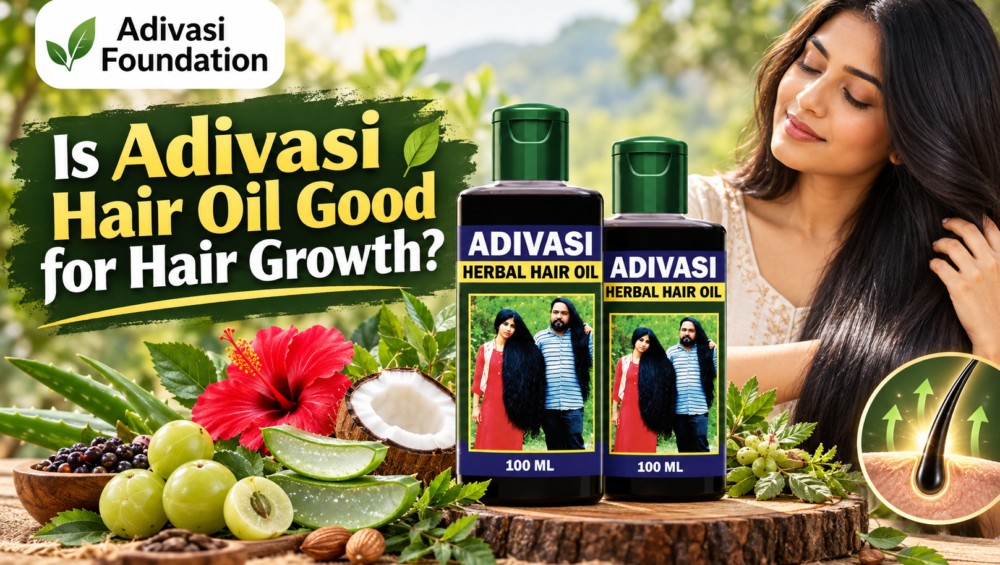
Healthy, thick, and strong hair reflects proper care, nourishment, and consistency. Many people struggle with hair fall, slow growth, thinning, dandruff, and dryness because of pollution, stress, poor nutrition, excessive styling, and chemical-based products. Choosing a natural hair care solution and applying it correctly can make a noticeable difference over time.
Adivasi Hair Oil has gained attention among people looking for a traditional approach to hair care. Prepared with carefully selected herbal ingredients, it is designed to nourish the scalp, strengthen hair follicles, and support healthier hair growth. However, simply buying the oil is not enough. The application method, frequency, massage technique, and overall hair care routine all contribute to the results.
Adivasi Foundation believes that proper knowledge helps users maximize the benefits of herbal hair care. This content explains the right way to use Adivasi Hair Oil, common mistakes to avoid, and practical tips for maintaining healthy hair naturally.
Why Proper Hair Oil Application Matters
Hair oiling is more than just applying oil to the hair. It is a process that helps nourish the scalp, improve blood circulation, and deliver essential nutrients directly to the hair roots.
Incorrect application often results in greasy hair without providing sufficient nourishment to the scalp. Proper application ensures that the oil reaches the roots where it is needed the most.
Benefits of proper oil application include:
- Better scalp nourishment
- Stronger hair roots
- Reduced hair breakage
- Improved hair texture
- Healthier scalp environment
- Better moisture retention
- Enhanced shine
- Reduced dryness
Regular and correct application also supports long-term scalp health.
What Makes Adivasi Hair Oil Different?
Traditional herbal formulations have been trusted for generations because they focus on nourishing the scalp naturally rather than temporarily improving hair appearance.
Adivasi Hair Oil is generally prepared using herbal ingredients known for supporting healthy hair. These herbs work together to provide nutrition that helps maintain stronger roots and healthier strands.
Natural oils often penetrate deep into the scalp, making them suitable for people seeking a holistic hair care routine.
Its herbal nature makes it suitable for individuals looking to reduce dependence on products containing excessive synthetic ingredients.
Preparing Your Hair Before Applying Adivasi Hair Oil
Preparation plays an important role in ensuring the oil performs effectively.
Before applying the oil:
Keep Hair Dry
Apply the oil to dry hair whenever possible. Excess water creates a barrier that limits proper absorption.
Remove Hair Tangles
Gently comb your hair before oiling to avoid unnecessary breakage during massage.
Clean Scalp
The scalp should be relatively clean and free from excessive product buildup.
Divide Hair into Sections
Sectioning allows the oil to reach every part of the scalp evenly.
Step-by-Step Process to Apply Adivasi Hair Oil
Following a systematic approach improves the effectiveness of the oil.
Step 1: Take the Required Quantity
Pour a small amount of Adivasi Hair Oil into a clean bowl.
The quantity depends on:
- Hair length
- Hair thickness
- Scalp coverage
Avoid using excessive oil, as more oil does not necessarily produce better results.
Step 2: Slightly Warm the Oil
Lightly warming the oil helps improve absorption.
The oil should be warm—not hot.
This makes the massage more comfortable while helping the oil spread evenly.
Step 3: Apply Directly to the Scalp
Using fingertips or a cotton applicator, apply the oil directly to the scalp instead of pouring it only onto the hair strands.
Focus on:
- Front hairline
- Crown
- Side areas
- Back of the scalp
Complete scalp coverage is essential.
Step 4: Massage Gently
Massage using circular fingertip movements.
Massage for approximately 10 to 15 minutes.
Avoid scratching the scalp with fingernails.
Gentle massage supports healthy blood circulation and helps distribute the oil evenly.
Step 5: Apply Along Hair Length
After covering the scalp, spread the remaining oil through the hair length.
This helps reduce dryness and supports healthier-looking hair.
Step 6: Leave It for Several Hours
Allow the oil sufficient time to nourish the scalp.
Many people leave it overnight for better absorption, while others prefer keeping it on for several hours before washing.
How Often Should You Use Adivasi Hair Oil?
Consistency is one of the most important factors for healthy hair.
Most people benefit from applying the oil:
- Two to three times each week for regular maintenance
- Three to four times weekly if experiencing excessive dryness
- As advised if following a customized hair care routine
Using the oil regularly often produces better results than applying it heavily only once in a while.
Best Time to Apply Adivasi Hair Oil
Timing can influence convenience and absorption.
Night Application
Applying before bedtime allows the oil to remain on the scalp for several hours.
Many people prefer overnight oiling because it provides extended nourishment.
Before Hair Wash
Applying the oil a few hours before shampooing is another effective option.
This helps soften the hair while preparing it for cleansing.
Choosing the Right Shampoo After Oiling
A mild shampoo helps remove excess oil without stripping natural moisture.
Avoid shampoos containing harsh cleansing agents that may dry the scalp.
Gentle cleansing preserves the benefits of the oil while keeping the scalp fresh.
Double shampooing may be necessary if excessive oil has been applied.
Should You Apply Oil on Wet Hair?
Applying oil directly to soaking wet hair is generally not recommended.
Dry or slightly damp hair allows better oil absorption.
Excess water reduces the oil’s ability to penetrate the scalp effectively.
Can You Use Adivasi Hair Oil Daily?
Daily application is not necessary for most people.
Over-oiling may attract dust and lead to excessive buildup.
A balanced routine provides better long-term results.
Moderation remains important.
Common Mistakes While Using Adivasi Hair Oil
Many users unknowingly reduce the effectiveness of hair oil through improper practices.
Using Too Much Oil
Large amounts do not improve results.
Only enough oil to cover the scalp is required.
Skipping Scalp Massage
Massage improves distribution and supports better nourishment.
Ignoring this step limits the overall benefits.
Applying Only on Hair Ends
Hair growth begins at the scalp.
Always prioritize the roots.
Washing Immediately
Removing the oil too soon reduces absorption.
Allow adequate resting time before shampooing.
Inconsistent Application
Irregular use makes it difficult to experience noticeable improvements.
Consistency is essential.
Lifestyle Habits That Support Hair Growth
Hair oil works best when combined with healthy daily habits.
Eat Nutritious Foods
Hair requires nutrients like:
- Protein
- Iron
- Zinc
- Healthy fats
- Vitamins
Balanced nutrition supports stronger hair from within.
Stay Hydrated
Adequate hydration supports overall scalp health.
Water helps maintain moisture balance.
Manage Stress
Stress can contribute to increased hair fall.
Practices such as meditation, regular exercise, and adequate sleep support healthier hair.
Avoid Excess Heat Styling
Frequent use of straighteners, curling irons, and blow dryers can weaken hair strands.
Reducing heat exposure helps preserve hair strength.
Trim Split Ends
Regular trimming prevents damage from spreading upward.
Healthy ends contribute to better hair appearance.
Hair Types That Can Benefit from Adivasi Hair Oil
Different hair types require nourishment, although the application quantity may vary.
Dry Hair
Dry hair benefits from added moisture and nourishment.
Oily Hair
People with oily scalps can still use herbal hair oil in moderate quantities.
Proper washing prevents buildup.
Curly Hair
Curly hair often experiences dryness.
Oil helps improve softness and manageability.
Straight Hair
Straight hair benefits from scalp nourishment while maintaining shine.
Chemically Treated Hair
Hair exposed to coloring or chemical treatments often requires additional care to reduce dryness.
Signs That Your Hair Care Routine Is Working
Hair improvement generally occurs gradually.
Positive changes may include:
- Reduced hair fall during combing
- Stronger hair roots
- Softer texture
- Better shine
- Reduced scalp dryness
- Improved manageability
- Healthier appearance
Patience is important because hair grows naturally over time.
Supporting Hair Growth Beyond Hair Oil
A complete hair care routine extends beyond oil application.
Additional healthy practices include:
- Washing hair regularly
- Using clean combs
- Avoiding tight hairstyles
- Protecting hair from excessive sunlight
- Sleeping on clean pillowcases
- Maintaining good scalp hygiene
Small daily habits collectively contribute to healthier hair.
Who Can Use Adivasi Hair Oil?
Many adults seeking natural hair care include Adivasi Hair Oil in their routine.
Individuals experiencing:
- Hair thinning
- Dry scalp
- Weak hair
- Hair breakage
- Rough texture
- Dull-looking hair
often choose herbal oiling as part of their overall hair care regimen.
People with sensitive skin should perform a patch test before first use to check for any reaction.
Building Consistency for Better Results
Natural hair care requires patience.
Missing applications frequently may reduce the effectiveness of your routine.
Creating a weekly schedule makes it easier to maintain consistency.
Many people choose fixed hair oiling days each week to establish a habit.
Over time, consistent care supports healthier scalp conditions and stronger hair.
Why Choose Adivasi Foundation?
Adivasi Foundation is committed to promoting traditional herbal hair care practices through carefully prepared products inspired by nature. The focus is on quality, authenticity, and helping individuals build healthier hair care routines using herbal ingredients.
By encouraging proper application methods and consistent care, Adivasi Foundation supports customers in maintaining healthier hair naturally while preserving the value of traditional knowledge.
Conclusion
Healthy hair develops through consistent care rather than quick fixes. Proper application, regular scalp massage, balanced nutrition, and a disciplined routine all contribute to stronger roots and healthier hair over time. Adivasi Hair Oil can become an important part of this routine when applied correctly and consistently.
By following the right techniques and maintaining good scalp hygiene, users can maximize the benefits of herbal hair care. With a commitment to quality and traditional practices, Adivasi Foundation encourages a natural approach to supporting healthier, stronger, and more resilient hair.
FAQs
Can I leave Adivasi Hair Oil overnight?
Yes. Leaving Adivasi Hair Oil overnight allows more time for the scalp and hair to absorb its nourishing ingredients. You can wash it off with a mild shampoo the following morning.
Is Adivasi Hair Oil suitable for all hair types?
Adivasi Hair Oil can be used on dry, oily, straight, curly, and chemically treated hair. Adjust the quantity based on your hair type and scalp condition for the best results.