Buying hair oil online can feel confusing when several sellers use similar names, photographs and promises. A search for Adivasi Hair Oil Original may show products with different packaging, ingredients and prices, making it difficult to decide which listing deserves your trust.
The most reliable approach involves checking the seller, identifying the manufacturer and reviewing product information before paying. A familiar label or popular video cannot establish authenticity alone. For customers considering Adivasi Foundation, the same principle applies: ask clear questions and assess the evidence behind every purchase.
What Does “Original” Mean When Buying Adivasi Hair Oil?
An original product should genuinely come from the manufacturer or brand identified on its packaging. Its seller should accurately describe its identity, source, quantity and condition.
The word “Adivasi” alone does not establish a connection between different businesses. Similar names, references to traditional preparation or photographs of tribal communities do not prove that two bottles come from the same producer.
Start by identifying the specific product you intend to buy. Note its full brand name, manufacturer, bottle size and ingredient information.
This distinction matters because authenticity relates to a particular product and its traceable source. A seller cannot establish authenticity simply by adding “original” to a product title.
Why Authenticity Checks Matter Before Buying
An unclear product listing creates uncertainty about what you will receive. Without readable labels and identifiable business details, you may struggle to verify the contents, contact the responsible business or resolve a complaint.
Authenticity checks also help you compare products fairly. Two bottles may look similar while containing different quantities or formulations.
However, authenticity and effectiveness represent separate questions. A genuine bottle does not automatically support every advertised benefit. Similarly, attractive packaging cannot establish product quality.
Assess both aspects independently: whether the product comes from its stated source and whether the seller provides reasonable evidence for its claims.
Check the Seller’s Identity First
Look for Clear Business Information
Before examining promotional offers, check who operates the website, marketplace account or social media shop.
Look for a business name, contact information and a usable address. Compare these details across the product listing, contact page, order confirmation and invoice.
Different trading and legal names can have legitimate explanations. However, the seller should explain the relationship clearly when you ask.
A contact number alone offers limited reassurance. Check whether the business answers specific questions about the manufacturer, returns and product identification.
Confirm Any Claim of Authorisation
A seller may describe itself as an authorised distributor or official outlet. Ask how you can verify that claim through the named brand.
Use contact details you locate independently, rather than relying entirely on a number supplied by the seller.
An authorisation claim should connect the seller to the specific brand involved. General statements about sourcing herbal products do not establish that relationship.
If confirmation remains unavailable, treat the claim as unverified and consider whether you have enough information to proceed.
Read the Product Label Carefully
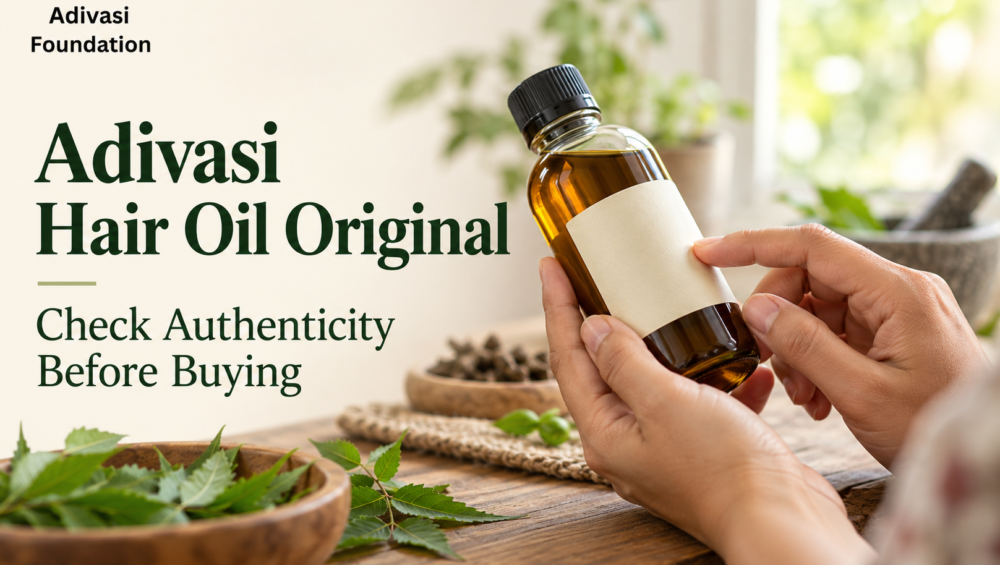
Request clear photographs of the front, back and base of the actual bottle. A promotional image may leave out details that matter when assessing a purchase.
Check the following information:
- Full product and brand names.
- Manufacturer’s name and address.
- Marketer’s details, where applicable.
- Ingredient information.
- Net quantity and stated price.
- Batch or lot identification.
- Manufacturing and shelf-life information, as applicable.
- Directions, precautions and customer support details.
The precise declarations depend on the product’s classification and applicable requirements. Use this checklist as a practical review, rather than assuming every hair oil follows an identical regulatory format.
Look for consistency across the available information. If the listing names one manufacturer while the bottle names another, request an explanation before ordering.
Unreadable photographs should prompt a request for clearer images.
Compare Packaging With Verified Brand Information
Packaging comparisons can help identify discrepancies, but they work best when you use a reliable reference.
Compare the listing with product information obtained directly from the named brand through independently verified contact details.
Check the logo, spelling, bottle size, label layout and manufacturer information. Pay particular attention to stickers that obscure important details or show conflicting information.
Avoid treating every design change as evidence of counterfeiting. Brands may update labels, bottles or closures. Ask whether the packaging shown belongs to a current or earlier version.
Likewise, a convincing visual match does not establish authenticity. Someone can copy a label photograph. Combine packaging checks with seller verification and purchase documentation.
Check Batch Details and Purchase Records
A batch number helps identify a production lot. It can support enquiries about a particular bottle, although its presence alone does not prove authenticity.
Ask the seller for a readable photograph showing the batch information and relevant dates. Check that the information appears consistent across the bottle and outer packaging, where both display it.
Do not assume that missing information from a website means the physical product lacks it. Request confirmation.
An invoice provides another useful record. It should identify the seller and describe your purchase clearly enough to connect it with the product received.
Keep the invoice, order number, payment receipt and delivery confirmation together. These records can help when requesting clarification, replacement or a refund.
Can a QR Code Prove Authenticity?
A QR code offers useful information only when you check where it leads and what it verifies.
A code that opens a homepage, messaging account or promotional video does not necessarily authenticate an individual bottle. A copied code may also lead to a genuine website.
If the brand offers product verification, check its instructions through an independently confirmed channel. Establish whether the system verifies a unique identifier or simply displays general product information.
Read the destination address carefully before entering personal details.
Do not assume that every genuine product must carry a QR code. Verification features vary between brands. The stronger question concerns whether the named manufacturer can explain how customers should confirm its products.
Review Ingredients Without Relying on Herbal Claims
Words such as “herbal”, “traditional” and “natural” describe positioning, but they cannot replace ingredient information.
Ask for a readable ingredient list and compare it with the listing. If promotional material highlights certain herbs, check whether the product information supports those statements.
Avoid assuming that all products sold under similar names contain the same ingredients. Compare each formulation individually.
Ingredient transparency helps you assess whether the product suits your preferences and identify substances you already avoid.
Authenticity also cannot guarantee personal suitability. Follow the product’s directions and precautions. If you have concerns about a particular ingredient or scalp condition, seek appropriate professional advice before use.
A responsible purchase starts with knowing what the seller actually offers.
Treat Dramatic Hair Growth Promises Cautiously
Promises of guaranteed regrowth, permanent results or identical outcomes for every customer deserve close scrutiny.
Ask what evidence supports the specific claim. A customer photograph or enthusiastic testimonial cannot establish that a product will produce the same outcome for another buyer.
Before-and-after images may omit relevant details, including lighting, styling, other products or the time between photographs.
Government communications have also warned consumers about misleading claims involving Ayush products. Promotional language should therefore prompt verification rather than replace it. pib.gov.in
Focus on clearly described product characteristics and supported statements. Separate claims about appearance or conditioning from claims about treating hair loss or scalp disorders.
Use Reviews as Supporting Evidence
Reviews can reveal useful information about delivery, packaging, communication and complaint handling.
Read detailed comments across different ratings. Look for descriptions of the bottle received, the invoice supplied and the seller’s response when customers raised questions.
Repeated wording or several vague reviews may justify closer scrutiny, although these patterns do not independently prove manipulation.
Customer photographs can help you compare packaging, but check whether they relate to the same size and product version.
Avoid using reviews as your only authenticity test. A reviewer may describe a pleasant shopping experience without checking the manufacturer or source.
The most useful reviews supplement clear product information and a traceable seller.
Compare Prices and Payment Conditions
A lower price does not automatically identify a counterfeit product. Discounts, bottle sizes, delivery charges and promotional arrangements can affect the final amount.
Compare equivalent quantities before deciding whether an offer appears unusually cheap. Check whether one listing includes a single bottle while another includes several.
Ask why a substantial price difference exists when the products otherwise appear identical.
Review payment conditions as carefully as the price. Confirm the final amount, delivery charges and cancellation terms before paying.
Cash on delivery does not guarantee authenticity or permission to inspect a parcel before payment. Check the courier and seller’s actual terms.
Avoid making hurried decisions because a countdown or message claims that an offer will disappear immediately.
Ask These Questions Before Placing an Order
A short written enquiry can resolve several uncertainties:
- Who manufactures this specific product?
- Can you provide clear photographs of its complete label?
- Does the delivered bottle match the advertised size and formulation?
- Can the named brand confirm your seller status?
- Will I receive an invoice?
- What happens if the seal arrives damaged?
- How do you handle a product that differs from the listing?
- Which contact channel handles complaints after delivery?
Assess the quality of the answers. Clear, consistent responses offer more value than repeated assurances that the product is “100% original”.
Keep the conversation alongside your order records.
Inspect the Bottle When It Arrives
Compare the delivered product with the saved listing and order confirmation before opening it.
Check the product name, quantity, manufacturer information and visible dates. Inspect the closure and any tamper-evident feature that the brand says it uses.
Photograph leaks, damaged packaging, obscured labels or conflicting details. An unboxing recording may provide additional context, but it cannot replace clear purchase records.
Do not use colour, thickness or fragrance as a definitive authenticity test. Similar-looking oils can have different sources, while genuine products may show variations that require clarification.
If something appears inconsistent, contact the seller and manufacturer before using the product.
What Should You Do if Authenticity Remains Unclear?
Pause use while you seek clarification. Describe the specific concern and provide photographs, the batch details and your order number.
Ask for a written response explaining the discrepancy. Follow the seller’s published complaint or return process and retain copies of your messages.
Avoid publicly declaring a product counterfeit solely because its packaging differs from an older photograph. Report the observable facts accurately.
If the seller does not resolve a consumer grievance, you can approach India’s National Consumer Helpline through its official portal or call 1915. Keep your invoice, payment record and correspondence available. National Consumer Helpline
Buying With Greater Confidence
Checking Adivasi Hair Oil Original requires several connected checks: an identifiable seller, clear manufacturer details, readable packaging and reliable purchase records. No single photograph, review or verification symbol can answer every question.
When considering Adivasi Foundation, request the same clear information you would expect from any seller. Compare the answers with the product you receive, retain your records and question unsupported promises. A careful purchase gives you a clearer basis for deciding what belongs in your hair care routine.
Frequently Asked Questions
Does every original Adivasi hair oil have the same packaging?
Do not assume that similarly named products share one manufacturer or packaging design. Verify the particular brand you intend to purchase. If its packaging differs from your reference, ask the named manufacturer to confirm whether the design belongs to its product range.
Can a barcode or QR code confirm Adivasi Hair Oil Original?
A barcode or QR code alone cannot establish authenticity. Check its destination and whether the named brand uses it to verify individual products. A code that opens general promotional information offers less assurance than a functioning product-specific verification process supported by manufacturer confirmation.
What should I check when considering Adivasi Foundation?
Request clear manufacturer information, complete label photographs, ingredient details and purchase documentation. Confirm delivery, return and complaint arrangements before paying. Assess any product claims separately from authenticity, and seek clarification whenever the listing, seller’s answers and delivered packaging do not match.