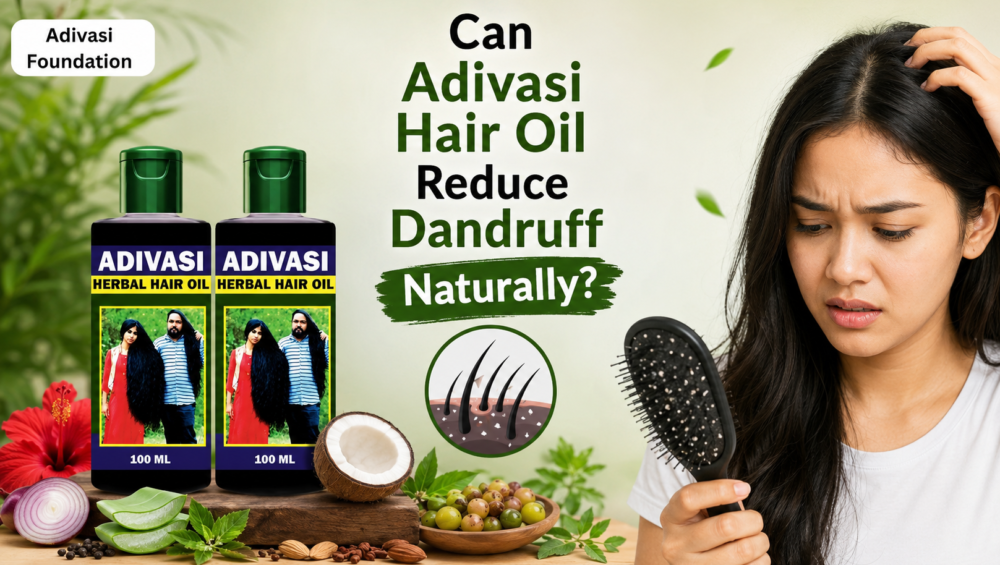
Dandruff can turn a simple hair-care routine into a frustrating cycle of flakes, itching, dryness, and frequent washing. While anti-dandruff shampoos are often the first choice, many people also look for plant-based scalp care that can fit comfortably into a regular routine. Adivasi Hair Oil is commonly associated with traditional herbal hair-care practices that focus on nourishing the scalp, supporting moisture balance, and keeping hair conditioned. But can it actually help reduce dandruff naturally?
The answer depends largely on what is causing the flakes. Dandruff can have several contributing factors, and an oil may be useful for some scalp conditions while being unsuitable for others. Knowing how herbal oil fits into scalp care can help you use it more effectively and avoid unrealistic expectations.
What Exactly Is Dandruff?
Dandruff is a scalp condition characterized by visible flakes that shed from the skin. It may also be accompanied by itching, tightness, irritation, or an oily feeling.
Not every white flake on the scalp is necessarily dandruff. Sometimes, dryness or product buildup can create a similar appearance. This distinction matters because the appropriate hair-care routine may differ depending on the underlying cause.
Common factors associated with scalp flaking include:
- Excessive scalp dryness
- Oil and dead skin buildup
- Sensitivity to certain hair products
- Irregular scalp cleansing
- Seborrheic dermatitis
- Microbial activity on the scalp
- Seasonal changes
- Excessive use of styling products
- Inadequate removal of shampoo or conditioner
Because several factors may be involved at once, dandruff management usually works best when scalp cleansing, moisturization, product selection, and personal habits are considered together.
How Does Scalp Dryness Contribute to Flaking?
A dry scalp can feel tight, rough, or itchy. Small dry flakes may become noticeable around the hairline, shoulders, or between sections of the hair.
Frequent shampooing with harsh cleansers, hot-water washing, dry weather, and excessive heat styling can remove oils that normally help protect the scalp. Once moisture balance is disturbed, the scalp may become uncomfortable.
This is one area where traditional hair oiling may be useful. Applying an appropriate amount of oil can help condition dry scalp and reduce the rough sensation associated with insufficient moisture.
However, dry scalp and dandruff are not always the same problem. Persistent or greasy flakes may require a different approach.
Why Is Herbal Hair Oiling Popular for Scalp Care?
Hair oiling has remained part of Indian hair-care traditions for generations. The practice usually involves applying oil to the scalp and hair before washing.
People use hair oil for several reasons, including scalp conditioning, reducing dryness, improving hair manageability, and supporting a regular self-care routine.
Herbal formulations add another dimension by combining oils with plant-based ingredients traditionally associated with hair and scalp care.
Rather than expecting a single application to eliminate dandruff, oiling is better viewed as one part of a balanced scalp-care routine.
Can Adivasi Hair Oil Help With Dandruff?
Adivasi Hair Oil may support dandruff-prone scalp care primarily by helping maintain scalp moisture and conditioning dry skin. When visible flaking is associated with dryness, appropriate oiling may make the scalp feel softer and less tight.
Its usefulness depends on the individual’s scalp type, the formulation being used, the frequency of application, and the actual reason for dandruff.
For instance, someone with dry, powdery flakes may respond differently to oiling than someone experiencing greasy, yellowish flakes with significant redness or irritation.
For that reason, oil should not automatically be treated as a replacement for medically recommended dandruff treatments.
Moisture Balance Matters for a Healthy-Looking Scalp
A comfortable scalp needs a suitable balance between moisture, natural oils, and regular cleansing.
Too little oil may contribute to dryness, while excessive oil accumulation can make the scalp greasy and encourage buildup. Finding a reasonable balance is therefore more useful than simply applying large amounts of oil.
A light, controlled application can provide conditioning without leaving the scalp excessively coated.
This is especially relevant for people who oil their hair frequently. More oil does not necessarily mean better scalp care.
How Herbal Ingredients May Support Scalp Conditioning
Traditional herbal hair oils often contain plant extracts selected for their role in hair and scalp maintenance. Exact ingredients differ from one formulation to another, so consumers should always check the product label.
Herbs commonly associated with traditional Indian hair-care preparations include amla, bhringraj, brahmi, hibiscus, neem, aloe vera, fenugreek, curry leaves, and similar botanicals.
Such ingredients are traditionally used for purposes ranging from scalp conditioning to improving the appearance and manageability of hair.
The effectiveness of a finished product, however, depends on much more than the presence of a familiar herb. Ingredient quality, concentration, extraction process, base oils, formulation stability, and individual sensitivity can all affect the experience.
Does Oiling Remove Dandruff Flakes?
Oil does not work like a cleanser. It cannot simply wash dandruff away.
What oiling may do is soften dry skin and loosen some flakes before shampooing. When the hair is subsequently washed properly, these loosened flakes and excess oil can be removed more easily.
This is one reason pre-shampoo oiling can be useful for people experiencing dry scalp.
Aggressive scratching should still be avoided. Scraping flakes with fingernails can irritate the scalp and potentially damage the skin barrier.
The Importance of Scalp Cleansing
Oil and shampoo perform different jobs.
Oil primarily conditions and lubricates, while shampoo removes excess oil, sweat, dead skin, environmental particles, and product residue. An effective dandruff-care routine therefore requires attention to both.
After applying hair oil, wash the scalp thoroughly enough to remove unnecessary residue. Leaving heavy layers of oil on the scalp for prolonged periods may not suit everyone, particularly people with naturally oily scalps.
The frequency of washing should also match hair type, scalp condition, lifestyle, and product use.
How to Use Hair Oil for a Dandruff-Prone Scalp
Correct application can make a noticeable difference.
Begin by detangling the hair gently. Take a small quantity of oil and distribute it across different areas of the scalp instead of pouring a large amount onto one section.
Use your fingertips to spread the oil with gentle circular movements. There is no need to apply heavy pressure or scratch the scalp.
Leave the oil on for a reasonable period based on your scalp’s tolerance and the product instructions. Afterwards, wash the scalp thoroughly using a suitable shampoo.
People with sensitive skin should consider testing a small amount before wider use, especially when trying a new herbal formulation.
Avoid Excessive Oil Application
One common misconception is that heavily coating the scalp will produce faster results.
Excessive application can make shampooing more difficult and may require repeated cleansing. Frequent harsh washing to remove heavy oil can then contribute to dryness, creating an unhelpful cycle.
Instead, use enough oil to lightly coat the scalp and condition the hair.
The objective is scalp comfort and manageable hair, not saturation.
Should You Leave Hair Oil Overnight?
Overnight oiling is a traditional practice, but it is not essential for everyone.
Some people find extended oiling comfortable, while others experience greasiness, itching, or scalp irritation. If your scalp tends to become oily quickly or reacts negatively to prolonged oil application, a shorter pre-wash treatment may be more appropriate.
Product instructions should also be followed because formulations can differ.
Pay attention to how your scalp responds rather than assuming that longer application always delivers better results.
Can Hair Oil Help With Itching?
If itching is related primarily to dryness, conditioning the scalp may provide some comfort.
Persistent itching, however, should not automatically be treated with additional oil. Strong itching can occur with dandruff, dermatitis, allergic reactions, psoriasis, fungal conditions, or sensitivity to hair products.
Applying more products without knowing the cause may sometimes worsen irritation.
If itching becomes intense, painful, recurrent, or accompanied by sores, swelling, crusting, or substantial redness, professional medical advice is more appropriate.
Dry Dandruff vs. Oily Dandruff
Recognizing differences in scalp appearance can help you select a suitable routine.
Dry scalp flakes are often smaller and lighter. The scalp may feel tight, particularly after washing. In these cases, controlled oiling may help with conditioning.
Oily dandruff may appear larger, stickier, or slightly yellowish. It can occur alongside excess sebum and scalp irritation. Applying heavy oil to an already oily scalp may not provide the desired result.
This is why there is no universal dandruff routine that works equally well for everyone.
How Often Should You Oil a Dandruff-Prone Scalp?
Frequency depends on individual needs.
People with dry hair and scalp may prefer oiling once or twice per week before washing. Those with oily scalps may need less frequent application or may choose to focus oil mainly on the hair lengths.
Start conservatively and observe your scalp.
If hair feels conditioned and the scalp remains comfortable, the routine may be suitable. If itching, greasiness, buildup, or flaking increases, reduce the amount or frequency and reassess the products being used.
Pair Hair Oiling With a Suitable Shampoo
Hair oil alone may not adequately control persistent dandruff.
For mild dryness-related flaking, a gentle shampoo combined with occasional pre-wash oiling may be enough to improve scalp comfort. Persistent dandruff may require an anti-dandruff shampoo containing ingredients specifically formulated to address the condition.
Avoid continuously switching between numerous shampoos, oils, masks, serums, and home remedies. Using too many products can make it difficult to determine what is helping or irritating the scalp.
A simple, consistent routine is often easier to evaluate.
Be Careful With Very Hot Water
Water temperature can influence scalp comfort.
Very hot water may strip oils from the scalp and hair, potentially increasing dryness. Lukewarm water is generally a gentler choice for routine washing.
Make sure shampoo is rinsed thoroughly, particularly around the crown, behind the ears, and near the nape, where residue can sometimes remain.
After washing, dry the hair gently instead of aggressively rubbing the scalp with a towel.
Keep Combs, Towels, and Pillowcases Clean
Scalp care extends beyond the products applied directly to the hair.
Combs and brushes collect oil, skin cells, dust, and styling-product residue. Clean them regularly rather than repeatedly returning that buildup to freshly washed hair.
Pillowcases and towels should also be washed frequently. Avoid sharing personal hair-care items when possible.
These habits may not cure dandruff, but they support better overall scalp hygiene.
Avoid Scratching an Itchy Scalp
Dandruff-related itching can make scratching tempting.
Frequent scratching can damage the skin and increase irritation. Fingernails can create tiny abrasions that may make an already sensitive scalp more uncomfortable.
Instead of scratching, gently massage the scalp with fingertips while washing. If itching remains persistent despite appropriate hair care, consider speaking with a dermatologist.
Watch for Product Buildup
Dry shampoo, styling sprays, gels, waxes, leave-in products, and heavy conditioners can accumulate on the scalp if used frequently.
Buildup may make flakes more noticeable or create itching that resembles dandruff.
Try applying conditioners primarily to the mid-lengths and ends unless the product specifically states that it is suitable for scalp application.
Periodic thorough cleansing can also help prevent excessive residue.
Give Your Routine Enough Time
Hair and scalp routines are easier to assess when followed consistently.
Changing products every few days makes it difficult to identify what is causing improvement or irritation. Instead, introduce new products carefully and monitor how the scalp responds.
Track factors such as:
- Amount of visible flaking
- Frequency of itching
- Scalp dryness
- Greasiness
- Redness or sensitivity
- Hair texture after washing
These observations can help you determine whether your routine is moving in the right direction.
Can Natural Hair Care Replace Dandruff Treatment?
Natural hair-care practices and medical dandruff treatments serve different purposes.
A herbal oil may support conditioning and moisture maintenance, particularly when dryness contributes to scalp discomfort. It should not automatically be considered a treatment for every type of dandruff.
Persistent dandruff may be associated with conditions requiring targeted treatment.
A practical approach is to use traditional hair-care practices where they provide comfort while remaining open to professional care when symptoms do not improve.
Who Should Be Careful When Using Herbal Hair Oil?
Natural ingredients can still cause sensitivity.
Anyone with a history of reactions to cosmetic or herbal products should review ingredients carefully. A patch test can be useful before regular application.
Stop using a product if you notice significant burning, swelling, unusual redness, rash, or worsening irritation.
People dealing with diagnosed scalp conditions should also check whether oiling is appropriate for their particular situation.
When Should You See a Dermatologist?
Occasional mild flakes can often be managed through adjustments to routine hair care. Certain symptoms, however, deserve professional evaluation.
Consider seeing a dermatologist if dandruff remains severe despite regular care or if you experience:
- Intense or persistent itching
- Significant scalp redness
- Thick or crusty scales
- Bleeding or open sores
- Sudden increase in hair shedding
- Painful scalp areas
- Flaking around the eyebrows, ears, or face
- Symptoms that repeatedly return after treatment
A dermatologist can identify whether the problem is ordinary dandruff, seborrheic dermatitis, psoriasis, eczema, contact dermatitis, or another scalp condition.
Building a Balanced Natural Scalp-Care Routine
For people who prefer traditional hair-care practices, the goal should be balance rather than excessive treatment.
A straightforward routine may include moderate pre-wash oiling, gentle scalp massage, proper shampooing, complete rinsing, careful drying, clean hair accessories, and limited use of heavy styling products.
Adivasi Foundation focuses on traditional herbal hair-care practices while recognizing that individual scalp needs differ. A product that suits one person’s dry scalp may not be suitable for another person’s oily or sensitive scalp.
Listening to your scalp is therefore an important part of building a sustainable routine.
Can Adivasi Hair Oil Reduce Dandruff Naturally? The Final Takeaway
Adivasi Hair Oil can play a supportive role in a dandruff-care routine, particularly when scalp dryness and insufficient conditioning contribute to visible flaking or discomfort. Controlled oiling may help soften dry skin, maintain scalp moisture, and condition the hair before washing.
It should not, however, be treated as a guaranteed cure for dandruff. Persistent flakes can have several causes, and oily, inflamed, or severe scalp conditions may require targeted treatment.
Use hair oil moderately, wash the scalp properly, keep hair-care accessories clean, avoid aggressive scratching, and observe how your scalp responds. Traditional herbal care can be valuable when used thoughtfully and as part of a balanced routine.
FAQs
How often should I use Adivasi Hair Oil for a dandruff-prone scalp?
Frequency varies according to scalp type. Some people with dry scalps may prefer using it once or twice a week before shampooing. People with oily scalps may need less frequent application. Follow the product instructions and adjust according to your scalp's response.
Should Adivasi Hair Oil be left overnight for dandruff?
Overnight application is not necessary for everyone. A shorter pre-shampoo application may be sufficient, particularly for oily or sensitive scalps. Stop or shorten the application period if you notice increased itching, greasiness, or irritation.
Is Adivasi Hair Oil suitable for a dry and itchy scalp?
It may help condition a dry scalp and improve comfort when itching is associated with dryness. Persistent, severe, or worsening itching should be evaluated by a dermatologist because it can be associated with several scalp conditions.