Hair often feels rough or looks dull when raised; worn cuticles scatter light and increase friction between strands. A useful home routine must match hair texture, scalp condition, existing damage, washing habits, and exposure to heat, humidity, dust, sun, or hard water. Gentle cleansing, effective conditioning, controlled lubrication, and careful handling can improve surface smoothness and visible shine. However, no kitchen treatment can permanently rebuild a damaged hair shaft. Realistic care protects the length that remains while supporting comfortable new growth.
Why Hair Loses Softness and Shine?
Each strand has overlapping outer cells called cuticles. When these lie relatively flat, the surface reflects light more evenly and strands slide past one another with less resistance. When cuticles lift, chip, or collect residue, hair can look matt, tangle easily, and feel coarse.
Everyday Causes of Rough, Dull Lengths
Harsh shampooing and inadequate conditioning can remove lubrication. Moreover, repeated heat styling or chemical processing can weaken the protective surface. Rough drying, forceful brushing, tight styles, and pillow friction add mechanical wear.
Humidity can swell porous lengths, whereas dry air increases static. Sunlight, chlorine, salt water, dust, hard-water minerals, and product deposits may also dull or stiffen hair.
Residue may lift with suitable cleansing. In contrast, extensive splitting, snapping, or a gummy post-bleach texture signals structural damage. Products can coat these areas, but only trimming removes split sections.
Separate Hair-Shaft Problems From Scalp Concerns
Dry ends do not automatically mean a dry scalp. Scalp oil travels poorly along longer, curlier, or processed hair, so treat roots and lengths according to need.
Persistent itching, marked scaling, sores, redness, pain, sudden shedding, or visible thinning requires more than cosmetic care. Likewise, unexplained changes in texture or breakage may accompany illness, nutritional deficiency, hormonal change, or medication use. A qualified medical professional can assess these signs instead of leaving a home mask to conceal them.
Wash Without Stripping the Hair
Effective washing removes sweat, excess oil, debris, and residue while limiting unnecessary friction. The right schedule depends on the scalp, texture, activity, climate, and number of styling products used.
Choose Frequency by Scalp and Lifestyle
An oily scalp, exercise, humid weather, or frequent styling may require more cleansing. Conversely, coarse or tightly curled hair may tolerate longer intervals if the scalp stays comfortable. Avoiding shampoo completely can allow residue to accumulate.
On wash day:
- Wet the hair thoroughly with lukewarm rather than very hot water.
- Spread shampoo mainly across the scalp and massage gently with fingertips, not nails.
- Let the rinsing lather pass through the lengths unless heavy residue requires direct cleansing.
- Rinse thoroughly because leftover cleanser can make hair feel stiff or irritate skin.
- Repeat only when oil, dirt, or product load makes one cleanse insufficient.
If every wash leaves hair squeaky or tangled, reconsider cleanser strength, amount, technique, and frequency.
Condition for Slip and Surface Smoothness
Conditioning reduces friction, improves combability, and leaves a temporary smoothing film. It can make damaged hair feel better, yet it cannot restore the original biological structure of a dead fibre.
Match the Conditioner to the Hair
After shampooing, squeeze out excess water and distribute conditioner from mid-lengths to ends. Follow its contact-time and rinsing directions. Detangle with good slip if that suits the texture. Rich conditioner may burden an oily or sensitive scalp.
Fine, straight hair often needs a light product. Thick, coarse, curly, or processed hair may need richer conditioning. A leave-in adds slip and humidity control, although excess product can flatten fine hair.
Deeper conditioning may help when ordinary conditioner provides too little lubrication. Let the hair’s response set frequency. Limp, coated strands need less layering; rough, knotty sections may simply need better distribution.
Use Hair Oil With a Clear Purpose
Oil can lubricate strands, reduce rubbing, support pre-wash handling, or add a small amount of finishing shine. It does not suit every scalp, and more oil does not produce proportionally softer hair.
Pre-Wash and Finishing Methods
Coconut oil can penetrate the fibre to some extent and may reduce protein loss during grooming or washing. Apply a little to dry, weathered lengths. Fine hair may need less than thick hair, and removal should not require repeated harsh shampooing.
For finishing, smooth a drop lightly over dry ends. Avoid roots if oil removes volume, vigorous massage on inflamed skin, and temperatures that could burn.
Check Quality Before Buying
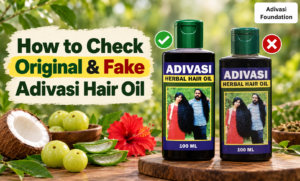
Marketing language cannot establish purity, safety, or suitability. Anyone planning to buy adivasi hair oil online should check the complete ingredient list, manufacturer and batch details, packaging integrity, expiry information, seller reliability, and whether the claims sound realistic. Reject leaking, unsealed, relabelled, or suspiciously altered packs.
Botanical blends can irritate sensitive skin. Patch test unfamiliar formulas, although this cannot guarantee safety. Stop if burning, swelling, rash, or worsening itch develops.
Evaluate Home Treatments Carefully
Home mixtures sometimes improve feel by coating, lubricating, or temporarily conditioning hair. However, “natural” does not automatically mean clean, gentle, stable, or effective.
What Common Mixtures May and May Not Do
A simple pre-shampoo oil treatment offers the most predictable role: lubrication. Aloe-based preparations may feel soothing or add slip, but raw plant material can leave residue or trigger irritation. Use a clean, properly prepared product and avoid broken or inflamed skin.
Yoghurt can coat hair, yet odour, removal, and hygiene create drawbacks. Egg leaves a temporary film rather than rebuilding fibres, and hot water can set residue. Relevant food allergies rule out skin contact.
Diluted acidic rinses may reduce mineral feel. Nevertheless, strong acids can sting eyes, irritate skin, and worsen dryness. Scalp wounds, sensitivity, or recent processing make experimentation unwise. Herbal powders may leave gritty, irritating residue.
Use these safeguards:
- Prepare only a fresh, hygienic amount.
- Test unfamiliar preparations on a small area.
- Avoid direct use of essential oils and irritating spices.
- Keep mixtures away from eyes and damaged skin.
- Rinse thoroughly and stop if discomfort appears.
Dry and Detangle With Less Friction
Water temporarily changes the fibre and can make damaged hair more vulnerable to stretching. Careful handling matters, although the safest detangling stage differs between straight and textured hair.
Protect Fragile Lengths
Blot rather than rub after washing. A soft towel or smooth cotton fabric can absorb water without vigorous twisting. Next, divide dense hair into manageable sections, support each section above the knot, and work gradually from the ends upwards with fingers, a wide-tooth comb, or a brush designed for the texture.
Straight or fine hair may detangle better after partial drying. In contrast, curly hair often benefits from damp, lubricated detangling. Stop if the tool catches repeatedly; force converts knots into breakage.
Loose styles reduce tension. At night, a smooth pillowcase, bonnet, or loose braid may limit rubbing without pulling the hairline.
Reduce Heat and Chemical Stress
Heat and chemical services can change the strand quickly, but their effects accumulate. Temperature, duration, repeated passes, technique, and the hair’s starting condition all influence damage.
Practical Harm Reduction
Partly air-dry before blow-drying when feasible. Use the lowest effective heat, keep the dryer moving, and maintain distance. On suitably dry hair, avoid repeated iron passes.
A suitable heat-protection product can reduce some exposure by improving spread and limiting direct thermal stress. However, it cannot eliminate harm. Likewise, adding oil before very hot tools may not provide reliable thermal protection unless the product was formulated for that purpose.
Space out chemical services and avoid overlapping strong chemicals onto processed lengths. Severely weakened hair needs fewer procedures and often a trim. Treat scalp burning promptly rather than tolerating it.
Support New Growth Through General Health
Topical products change the feel of existing strands; nutrition and health influence new hair formed in the follicle. Food variety matters more than a single “hair” ingredient.
Food, Fluids, and Warning Signs
Eat varied protein sources according to dietary needs. Several micronutrients support normal body functions. However, supplements may not improve hair without a deficiency, and excessive doses can harm. Seek assessment before taking them for shedding or brittleness.
Hydration supports general health, but extra water cannot polish an existing strand. Address surface dryness through conditioning and friction control.
Request medical assessment for:
- Sudden or unusually heavy shedding.
- Distinct bald patches or marked thinning.
- Persistent itching, pain, redness, or scaling.
- Sores, pus, swelling, or bleeding.
- Abrupt texture changes with fatigue or other symptoms.
Adapt Care to Texture and Conditions
No routine fits every head of hair. Adjust product weight, cleansing strength, lubrication, and handling according to the scalp, strand behaviour, chemical history, and environment.
Common Patterns and Useful Adjustments
- Fine or straight hair: Use lightweight conditioner on the ends, minimise oils, and cleanse build-up.
- Thick or coarse hair: Condition in sections and strengthen night-time friction control.
- Wavy or curly hair: Detangle with lubrication and balance richer conditioning with cleansing.
- Oily scalp with dry ends: Cleanse the roots as needed while conditioning and oiling only the drier lengths.
- Colour-treated hair: Use gentle washing, dependable conditioning, lower heat, and fewer overlapping chemical processes.
- Hard-water exposure: Rinse thoroughly and occasionally remove stiffening deposits without over-cleansing.
- Humid weather: Control leave-in quantity and choose styles that accommodate expansion.
- Dry weather: Increase end-focused conditioning without coating the scalp.
Porosity labels describe behaviour, not a precise diagnosis; informal float tests cannot dictate an entire routine.
Build a Practical Home Routine
Consistency usually matters more than adding numerous treatments. Start with essential steps, then change one variable at a time so that the hair’s response remains easy to interpret.
A Repeatable Plan
- Wash according to scalp oiliness, sweat, climate, and residue, using lukewarm water and gentle fingertip movement.
- Condition the mid-lengths and ends at every suitable wash, then detangle with enough slip.
- Blot excess water, support fragile sections, and avoid forceful combing or twisting.
- Add a modest pre-wash oil treatment only if it improves feel without worsening scalp comfort or requiring harsh removal.
- Lower styling temperature, reduce repeated passes, and apply a formulated heat protector when using hot tools.
- Limit night-time friction with a loose style and smooth sleeping surface.
- Review build-up, knots, breakage, and split ends periodically; clarify, simplify, or trim when needed.
Monitor softness, shine, tangling, breakage, and scalp comfort. Record changes briefly so patterns remain visible across wash cycles and seasons. If a new product causes heaviness or itching, remove it before changing other steps. Avoid fixed deadlines.
Correct Misconceptions and Common Mistakes
Several popular habits create the very roughness they aim to solve. A practical alternative addresses the cause rather than hiding it beneath more product.
Replace Excess With Precision
Excess oil can attract dirt, flatten hair, aggravate some scalps, and demand stronger cleansing. Use enough only for lubrication, and choose lukewarm water.
Undiluted acids can irritate skin and eyes. Use only a suitable dilution. Layered masks, leave-ins, serums, and oils create dull build-up, so simplify.
Aggressive brushing tears through knots, whereas sectioning and added slip reduce resistance. Products may temporarily bind or coat split ends, but they cannot heal them permanently; trimming removes the split before it travels farther.
An oily scalp does not prove that ends have enough lubrication. Treat areas separately, and avoid unsupervised supplements or universal remedies.
Conclusion
Softness and shine usually come from consistent cleansing, effective conditioning, measured lubrication, gentle handling, and reduced heat or chemical stress. The most useful routine respects both scalp comfort and the condition of the lengths, then changes gradually as weather, styling, or damage changes. Home care can smooth, protect, and improve manageability, but it cannot permanently rebuild split or severely weakened fibres. Persistent scalp inflammation, sudden shedding, marked thinning, or unexplained breakage deserves assessment from a qualified medical professional.
FAQs
How quickly can a routine make hair feel softer?
Conditioning and gentler handling may improve surface feel after a wash, but lasting manageability depends on repeated protection and the degree of existing damage. Build-up may improve after suitable cleansing, whereas badly split or chemically weakened ends cannot return to their original condition. Monitor comfort and breakage instead of following a deadline.
Does daily oiling suit every scalp?
No. Daily oiling may weigh down fine hair, trap residue, or worsen discomfort on some oily, flaky, or inflamed scalps. Others may tolerate a tiny amount on dry ends. Choose the application area and quantity by response, and stop if itching, redness, or excessive greasiness develops.
Does cold water create lasting shine?
Cool water may feel pleasant and reduce exposure to drying heat, but it does not permanently seal or repair the cuticle. Shine depends more on surface condition, conditioning, residue control, and damage. Use a comfortable temperature that allows thorough rinsing rather than enduring very cold water for a cosmetic promise.
How should oily roots and dry ends be managed?
Apply shampoo mainly to the scalp and conditioner mainly through the mid-lengths and ends. Cleanse often enough to control oil and residue, but avoid scrubbing fragile lengths. A small pre-wash or finishing oil application on the ends may help if it rinses cleanly and does not spread to the roots.
Can split ends heal without cutting?
No product can permanently fuse a split strand back to its original structure. Conditioners and serums may coat the damaged area, reduce catching, and improve appearance temporarily. Trimming removes the split. Meanwhile, gentler detangling, reduced heat, and lower friction can help limit further splitting.
How does hard water affect hair softness?
Hard water can leave mineral deposits that make some hair feel coated, stiff, tangled, or dull. Thorough rinsing and occasional use of a suitable clarifying or mineral-removing cleanser may help. Because strong cleansing can increase dryness, follow with conditioner and adjust frequency according to the hair’s response.
Are homemade masks suitable for colour-treated hair?
Not automatically. Acids, gritty powders, staining botanicals, and poorly rinsed mixtures may irritate the scalp, alter tone, or increase tangling. Colour-treated hair often needs predictable, gentle conditioning. If trying a simple preparation, patch test it and test a hidden strand first, while avoiding recently irritated or processed skin.
How often should deep conditioning be used?
Frequency depends on texture, damage, washing schedule, and product richness. Dry, coarse, curly, or chemically treated hair may benefit more often than fine, easily coated hair. Use softness, movement, tangling, and residue as signals. Reduce use if hair becomes limp, heavy, or persistently coated.
Can natural treatments reverse heat damage?
Natural treatments may lubricate or coat heat-damaged strands, making them feel smoother and easier to handle. However, they cannot reconstruct severely altered fibres. Lower future heat exposure, condition consistently, prevent friction, and trim irreparably split sections. A heat protector reduces risk but does not make high temperatures harmless.
When does dull or brittle hair need professional assessment?
Seek qualified medical advice when dullness or brittleness appears suddenly, progresses despite gentle care, or accompanies heavy shedding, thinning, bald patches, scalp pain, redness, sores, marked scaling, or other physical symptoms. A clinician can investigate possible scalp, nutritional, hormonal, medical, or medication-related factors without relying on guesswork.