Choosing hair oil involves more than finding a familiar ingredient or an appealing fragrance. A product that softens coarse ends may leave fine hair greasy, while an oil that feels comfortable on the lengths may irritate a sensitive scalp. Ingredient information, texture, cleansing habits, and the condition of your hair all influence the decision. Equally, claims about rapid growth deserve closer scrutiny than promises of temporary smoothness. A useful starting point involves identifying what your hair needs, where you intend to apply the oil, and how easily it fits your routine.
Start With the Job You Want the Oil to Do
Hair oil primarily changes how the strands feel and behave. Depending on its formulation, it can reduce surface friction, improve slip during detangling and add shine. However, these cosmetic effects differ from treating a scalp disorder or changing the rate at which follicles produce hair.
Separate cosmetic benefits from treatment claims
Dry ends often benefit from a modest coating that reduces roughness. Likewise, hair prone to tangling may become easier to handle when oil helps neighbouring strands move past one another. Such improvements can reduce some mechanical breakage, especially alongside gentle handling and conditioning.
Oil cannot permanently mend split ends or replace medical treatment for unexplained shedding. Therefore, decide whether your main concern involves manageability, appearance or a symptom that needs proper assessment. A product label should describe plausible benefits rather than promise universal results.
Think beyond price and fragrance
An elaborate bottle, unusually strong scent or lengthy ingredient list offers little proof of suitability. Instead, assess whether the formulation meets a specific need without causing discomfort or requiring excessive washing. A simpler product may work well, while a carefully designed blend may offer a more pleasant application experience. Neither category automatically wins.
For example, frequent detangling may make slip more valuable than shine, whereas someone avoiding heat styling may prioritise a clean finish. Define success through a specific, easily observable change rather than impressive marketing language.
Read the Ingredient List as a Formulation, Not a Promise
Ingredients provide clues about a product, but names alone cannot predict its finished performance. Processing, proportions and combinations affect how an oil spreads, coats the hair and feels after washing.
Recognise common carrier oils
Carrier oils usually form the main oily base. They can differ considerably in thickness and behaviour:
- Coconut oil: Some formulations can penetrate the hair fibre and may help limit protein loss under certain conditions; the effect varies with use and hair characteristics.
- Sesame oil: Often provides a substantial coating, although its feel depends on the blend and quantity applied.
- Almond oil: Can provide slip and softness; people with relevant allergies should examine product suitability carefully.
- Jojoba oil: A liquid wax with a relatively light sensory profile in some products, although concentrations matter.
- Argan oil: Commonly appears in smoothing formulas designed to improve surface feel and shine.
- Castor oil: Its naturally viscous texture can make heavy application difficult to distribute or remove.
No ingredient suits every person. Moreover, an oil appearing near the end of an ingredient list may contribute differently from one forming most of the formula.
Consider added extracts and fragrance
Botanical extracts, essential oils, antioxidants and fragrance materials can change a product’s characteristics. Some support stability or provide scent; others mainly serve marketing narratives. Their inclusion does not establish a meaningful concentration or a demonstrated hair benefit.
Fragrance and certain plant compounds may trigger irritation or allergy in susceptible users. Nevertheless, neither synthetic ingredients nor preservatives deserve automatic rejection merely because they lack a botanical origin. Evaluate the complete formula and your own response rather than relying on broad ingredient categories.
Ingredient names may appear in technical labelling language rather than familiar terms. Identify the main base, then examine unfamiliar additions individually. If the label provides insufficient detail, consider a more transparent alternative.
Match the Texture to Your Hair, Not Just Your Scalp
Hair thickness, shape and styling history influence the amount of coating that feels comfortable. Meanwhile, scalp oiliness describes the skin beneath the hair, not necessarily the condition of the lengths.
Fine, straight and easily weighed-down hair
Fine strands often show residue quickly, particularly when they lie close together. Consequently, a light-feeling formula and a few drops on the ends may prove more practical than coating the roots. Straight hair can also display greasiness readily because oil spreads visibly along the surface.
If you prefer a pre-wash treatment, begin with a small amount and assess the result after shampooing. The important measure is manageability without loss of volume, not the product’s description as lightweight.
Coarse, curly, coily and processed hair
Thicker strands and pronounced curls may tolerate a richer coating, especially when dryness increases friction during styling. However, curl pattern alone cannot determine the ideal oil. Hair density, porosity, climate and personal preference also matter.
Colouring, bleaching and chemical straightening can leave lengths more vulnerable to roughness and breakage. In those cases, use oil as an optional complement to suitable conditioner, not as a substitute. Test new formulas cautiously because colouring and other treatments can alter how hair feels after application.
Porosity can influence how strands become wet and how products sit on their surface. However, home porosity tests can mislead, so compare small applications after routine washing rather than trusting one test.
Assess Scalp Comfort Separately
A product that improves dry ends need not go onto the scalp. In fact, keeping oil on the mid-lengths and ends can deliver the desired cosmetic effect while limiting residue near the roots.
Oily, dry and combination scalps
An oily scalp may feel uncomfortable after a generous application, especially when sweat and styling residue accumulate. Limited pre-wash use can be easier to manage than leaving a thick coating overnight. Conversely, someone with dry-feeling skin should first consider whether cleansing products, weather or irritation contribute to the discomfort.
Combination scalps require flexibility: one area might become greasy while another feels tight. Rather than spreading oil evenly everywhere, adapt application to the sections that actually benefit. Shampoo the scalp as needed and rinse thoroughly.
Know when oil is the wrong response
Persistent itching, redness, burning, marked flaking or inflammation can signal a problem that oil alone cannot address. Furthermore, some scalp conditions may worsen when oily products accumulate. Stop any product that causes irritation and seek advice from a qualified healthcare professional if symptoms persist.
A cautious first-use test on a small area may reveal an immediate reaction, but a negative result cannot rule out delayed allergy. Follow the label’s instructions and avoid applying concentrated essential oils directly to the scalp without appropriate dilution.
Also watch for bumps along the hairline or forehead after introducing oily products. Residue can reach nearby skin, particularly beneath head coverings. Applying oil away from the roots may reduce exposure.
Question Natural Claims and Hair Growth Promises
Traditional use can explain why an ingredient attracts interest, but it does not establish how a modern commercial mixture performs. Transparent labelling and realistic statements provide stronger purchasing clues than evocative language.
Evaluate herbal and blended products fairly
Single-ingredient oils make it easier to identify the base, while blends can combine several textures or add fragrance. However, complex mixtures may complicate the search for an irritant if your skin reacts. Neither natural origin nor traditional positioning guarantees purity or safety.
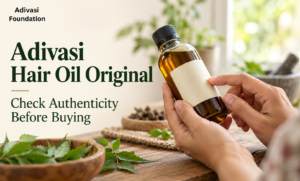
For example, a product advertised as original adivasi hair oil still needs a clear ingredient list, responsible seller information and credible quality details; its wording alone cannot verify authenticity or suitability. The same principle applies to every product that claims a special heritage or unique method.
Keep growth claims in proportion
Less breakage can make hair appear fuller over time because more length remains intact. That differs from stimulating new growth inside follicles. Similarly, short broken strands and full-length hairs that shed from the root represent different concerns.
Claims about castor oil producing rapid regrowth lack convincing support. Research interest in ingredients such as rosemary does not justify treating every rosemary-containing oil as a proven hair-loss remedy. Concentration, formulation, study limitations and individual circumstances influence what evidence can establish.
Hereditary thinning, hormonal changes and nutritional problems require appropriate evaluation when relevant. Cosmetic oiling should not delay assessment of sudden, patchy or substantial hair loss.
When assessing changes, consider shedding, breakage and scalp symptoms separately. Short snapped pieces suggest a different problem from increasing amounts of full-length shed hair. Nevertheless, neither observation establishes a medical diagnosis.
Judge Texture, Application and Cleansing Together
A pleasant formula should suit the amount of time you want to spend applying and removing it. Viscosity affects spreadability, while hair thickness and the quantity used determine how much residue remains.
Surface coating is not the same as absorption
An oil that seems to disappear quickly may simply spread into a thin surface film. Some ingredients can penetrate parts of the hair fibre under certain conditions, but a dry touch does not prove deep penetration or superior performance.
Heavier products can offer useful lubrication yet become inconvenient if they leave the hair flat or require repeated shampooing. In contrast, a lighter finish may suit brief leave-in use on the tips. Choose by the outcome you can observe rather than an absorption claim.
Build a manageable application method
Begin with a little oil on dry hair, distributing it gently between the palms before smoothing it across the mid-lengths and ends. Add more only if necessary. For pre-wash use, a short period before cleansing may be sufficient; overnight application is optional, not essential.
If you oil your scalp, massage lightly with fingertips rather than scratching or rubbing vigorously. Avoid excessively heating products. Afterwards, wash the scalp thoroughly enough to remove unwanted residue and condition the lengths according to their needs.
Frequent washing, helmet use, dust and perspiration can make heavy oiling less convenient. For instance, someone commuting in humid conditions with fine hair may prefer occasional pre-wash application, while a person with coarse, dry ends might use a tiny amount after styling. Adjust frequency to comfort rather than following a rigid timetable.
Protect clothing when using richer mixtures, and avoid applying oil before securing tight hairstyles. Oil may reduce friction, but it cannot remove damaging tension from braids, ponytails or other styles that pull repeatedly.
Check Quality Before You Buy
Reliable packaging and clear product information matter as much as an attractive ingredient story. A purchasing decision becomes easier when the label allows you to identify what the product contains and how to use it.
Inspect the label and packaging
Look for practical details before opening the bottle:
- Ingredient transparency: Check whether the main oils and relevant added ingredients are identifiable.
- Responsible business details: Look for clear manufacturer or marketer information and a credible seller.
- Traceability: Check batch identification and manufacturing or expiry information where provided or applicable.
- Packaging condition: Avoid broken seals, leaking bottles or visibly damaged containers.
- Directions: Read instructions for use, storage and any stated precautions.
A claim such as pure, authentic or premium deserves supporting detail rather than automatic trust. Likewise, a high price cannot compensate for unclear information.
Pay attention after opening
Heat, direct light and repeated air exposure may affect oil quality, depending on the formulation. Close the container properly and follow its storage directions. An unexpected rancid smell, unusual colour change or altered consistency warrants caution, particularly if the product has passed its stated shelf life.
Do not assume a heavily scented product remains fresh merely because its fragrance masks other odours. If the contents appear compromised, replacing the bottle makes more sense than trying to rescue it.
For formulas containing several botanical extracts, follow storage advice rather than assuming an oily texture makes every ingredient indefinitely stable. Smaller containers may suit occasional users who cannot finish a bottle promptly.
Make the Final Choice With a Practical Checklist
A useful buying decision connects the product’s characteristics with your actual routine. Before purchasing, compare these points rather than ranking oils by popularity alone:
- Hair condition: Do you want less roughness, easier detangling or a smoother finish?
- Scalp response: Does your skin tolerate oil, or should application stay on the lengths?
- Formula: Are the main ingredients clear, with no known personal triggers?
- Texture: Can you use a small amount without unwanted heaviness?
- Method: Will you wash it out or leave a little on the ends?
- Claims and quality: Does the label provide credible information without promising medical results?
After trying a product, judge comfort, residue, ease of washing and day-to-day manageability. If the drawbacks outweigh the cosmetic benefit, change the application method or select another formula.
Conclusion
The right hair oil fits the condition of your strands, the needs of your scalp and the time available for hair care. Ingredient names can help narrow your options, but formulation, texture and personal tolerance determine whether a product deserves a regular place in your routine. Keep expectations realistic: smoother hair and reduced friction differ from medical treatment or guaranteed regrowth. Start with a modest amount, observe the result and favour products that offer clear labels, comfortable use and manageable cleansing.
FAQs
How should you choose an oil for a dry scalp?
First, consider why your scalp feels dry. Harsh cleansing, weather and skin irritation can produce similar discomfort, although they may require different responses. Choose a simple, well-labelled formula if you decide to try oil, apply sparingly and stop if irritation develops. Persistent symptoms warrant professional assessment.
Can people with oily scalps use hair oil?
Yes, but they may prefer applying small amounts to the hair lengths rather than the roots. A brief pre-wash treatment can also limit lingering greasiness. However, persistent dandruff, itching or scalp breakouts call for caution. Heavy applications may increase residue without improving the hair’s condition.
Which oil characteristics suit fine hair?
Fine hair often benefits from products that spread easily and leave little visible residue. Start with a few drops on the ends and assess whether the strands retain their movement. Because labels such as lightweight are subjective, judge the finish after application rather than relying entirely on marketing descriptions.
How often should you apply hair oil?
There is no universal schedule. Frequency depends on dryness, scalp comfort, washing habits and how much product remains after application. Begin occasionally, then adjust according to how your hair behaves. If every use requires repeated shampooing or produces discomfort, reduce the quantity or change the method.
Does leaving oil overnight improve its benefits?
Not necessarily. Longer contact does not guarantee better conditioning, and overnight residue may feel uncomfortable or transfer onto bedding. Some people prefer a short pre-wash application that fits easily around cleansing. Choose a duration based on product instructions, scalp tolerance and the finish you want after washing.
Can hair oil help prevent breakage?
Oil can sometimes reduce friction, improve slip and make fragile lengths easier to handle. Consequently, suitable application may help limit mechanical breakage during styling. However, oil cannot permanently repair split ends or prevent damage from harsh bleaching, excessive heat or tight hairstyles. Gentle handling remains essential.
Are herbal hair oils safe for sensitive scalps?
Not automatically. Plant extracts, fragrances and essential oils can irritate sensitive skin or provoke allergic reactions. Read the complete ingredient list and follow first-use precautions. Although testing a small area may identify some reactions, it cannot guarantee tolerance. Stop applying a product if redness or burning appears.
How can you spot questionable hair oil claims?
Be cautious of promises to regrow hair rapidly, cure scalp disorders or work equally well for everyone. Look instead for a clear ingredient list, realistic cosmetic benefits and identifiable seller details. Testimonials, attractive packaging and words such as authentic cannot replace convincing evidence of product quality or effectiveness.
Does applying more oil improve hair condition?
Usually, extra oil mainly increases coating and washing effort after the strands already have adequate slip. Excess may flatten fine hair or leave residue around the scalp. Start with a small quantity, spread it evenly and reassess. Comfortable, manageable hair matters more than how much product you apply.
Can hair oil reverse thinning or hair loss?
Hair oil cannot reliably reverse hereditary thinning, hormonal hair loss or other underlying medical causes. It may improve the appearance of existing strands and reduce certain forms of breakage. However, sudden shedding, patchy loss or continuing thinning deserves timely assessment by a qualified healthcare professional rather than escalating oil use.