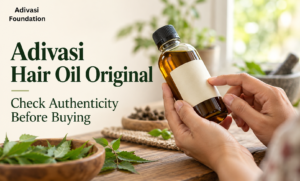
Weak-looking hair often feels rough, tangles easily, snaps during brushing, and loses its smooth, flexible finish. Hair oil cannot rebuild damaged fibres permanently, but suitable oiling can make vulnerable strands look and feel stronger by improving lubrication, reducing friction, supporting softness, and limiting avoidable mechanical stress. Used correctly, oil can also improve manageability, protect dry lengths, and help reduce breakage caused by combing, styling, washing, or repeated handling. The key lies in choosing an appropriate product, applying the right amount, and combining oiling with a balanced routine rather than expecting it to correct every cause of weakness.
What Weak Hair Usually Looks and Feels Like?
Weak hair does not have one single appearance. Some strands feel dry and coarse, while others seem limp, frayed, dull, or unusually prone to snapping. The visible problem usually reflects changes in the condition of the hair shaft rather than a loss of biological strength inside the follicle.
Common signs include:
- Frequent snapping during brushing, detangling, or styling
- Roughness through the mid-lengths and ends
- Split or feathered ends
- Excessive tangling or knotting
- Reduced shine caused by an uneven surface
- A brittle feel after washing or heat styling
- Loss of softness and flexibility
- Flyaways caused by broken or weathered strands
Breakage and shedding are not the same. Breakage occurs when the hair shaft snaps somewhere along its length. Shedding usually involves an entire strand leaving the scalp from the root. Hair oil may help reduce some breakage linked with friction and dryness, but it does not address every reason for increased shedding.
Why Hair Can Become Dry, Brittle, or Damage-Prone
Hair fibres face repeated physical and environmental stress. Washing, towel drying, combing, tight styling, colouring, straightening, curling, sun exposure, dry weather, and friction against clothing can gradually affect the outer cuticle.
The Cuticle and Hair-Shaft Surface
The cuticle forms the outer protective layer of the hair shaft. When its overlapping cells lie relatively flat, hair tends to feel smoother and reflect light more evenly. When the surface becomes worn, lifted, or irregular, strands can catch against one another more easily.
Consequently, more pulling may occur during grooming, which can raise the chance of mechanical breakage.
Moisture Loss and Surface Roughness
Water contributes to hair flexibility, but moisture can leave the fibre after washing or through environmental exposure. Oil does not hydrate hair in the same way that water does. Instead, certain oils or oil-based products can coat the surface and slow moisture loss, helping hair maintain a softer feel for longer.
How Hair Oil Can Improve the Appearance of Strength
Hair oil can make weak-looking hair appear stronger without claiming to biologically repair damaged fibre. Its main value comes from improving the conditions under which strands are handled.
Lubrication Can Reduce Friction
When strands rub against one another, clothing, pillowcases, combs, or styling tools, friction can contribute to tangling and surface wear. A light oil film can improve slip, allowing strands to move past one another more easily.
Reduced friction may support:
- Easier detangling
- Less tugging during combing
- Fewer knots
- Lower mechanical stress
- Smoother movement between strands
- Improved manageability during styling
However, more oil does not automatically mean more protection. Excess product can leave hair heavy, greasy, or difficult to wash, which may encourage harsher cleansing later.
A Smoother Surface Can Improve Shine
Hair often looks shinier when its surface appears smoother. Oil can temporarily fill or coat irregular areas along the shaft, helping light reflect more evenly. As a result, dull or rough hair may look more polished.
Softness Can Reduce Rough Handling
Dry, stiff hair often requires more effort to detangle. When oil improves softness and flexibility, grooming may become gentler. This matters because repeated force during brushing can worsen breakage in already fragile areas.
A softer strand is not necessarily permanently stronger. Nevertheless, improved manageability can reduce the need for aggressive handling, which may help preserve length over time.
What Happens When Oil Coats the Hair Shaft
Hair oils vary in composition, weight, spreadability, and how they interact with the fibre. Some remain mainly on the surface, while others may penetrate the hair shaft to some degree depending on molecular structure and formulation.
The practical effect depends on several factors:
- The type of oil or blend
- The amount applied
- Hair porosity
- Strand thickness
- Existing damage
- Contact time
- Shampooing method
- Frequency of use
A surface coating can reduce roughness and add slip. Meanwhile, oils that interact more closely with the fibre may help limit excessive swelling and contraction during repeated wetting and drying. However, the effect varies, so broad claims should not be applied to every product.
Can Hair Oil Prevent Split Ends?
Hair oil cannot permanently fuse a split end back together. Once the hair shaft has physically split, trimming remains the most reliable way to remove the damaged section.
However, oil can improve how split or frayed ends look temporarily. By smoothing the surface and reducing dryness, it may make ends appear neater and feel less coarse. Additionally, regular lubrication may help reduce further friction around vulnerable ends, which can support better length retention.
Choosing a Hair Oil for Weak-Looking Hair
Product selection should focus on suitability rather than marketing intensity. A good option should match the hair’s texture, condition, scalp tolerance, and routine.
Consider Product Weight and Hair Texture
Fine hair often responds better to lightweight formulas used sparingly. Heavy application can flatten the roots and make the hair look greasy. Thick, coarse, curly, or very dry hair may tolerate richer oils more comfortably, especially on the lengths and ends.
Check Ingredient and Fragrance Tolerance
A long ingredient list does not automatically make a product better. Readers with sensitive scalps may prefer simpler formulations or products with lower fragrance intensity.
Patch testing can be sensible when trying a new scalp-applied product, particularly if irritation has occurred before. Stop use if burning, persistent itching, redness, swelling, or worsening discomfort develops.
Match the Product to Your Routine
Ease of washing matters. If an oil requires repeated shampooing to remove, the cleansing process may counter some of the softness gained from oiling. Therefore, choose a quantity and formulation that fit your normal wash routine.
When comparing options, someone may choose to order original adivasi hair oil online, but product suitability should still depend on ingredient transparency, scalp comfort, hair texture, application needs, and realistic cosmetic expectations rather than promotional claims alone.
How Different Hair Types Can Approach Oiling
Hair type changes how much oil feels comfortable and where it should be applied.
Fine or Straight Hair
Fine hair can become weighed down quickly. Apply a few drops through the mid-lengths and ends, avoiding the roots unless the scalp feels dry and tolerates oil well.
Pre-shampoo oiling can work particularly well because it provides lubrication before washing without leaving as much residue afterwards.
Thick, Coarse, Curly, or Dry Hair
Thicker or curlier hair often benefits from slightly more product because the natural scalp oils may not spread easily along the full strand length. Focus on dry sections, ends, and areas that tangle frequently.
Chemically Treated or Heat-Styled Hair
Colouring, bleaching, straightening, and repeated heat use can leave hair more porous or fragile. In such cases, oiling should support a broader damage-control routine rather than act as the only protective step.
Where Should Hair Oil Be Applied?
Scalp oiling and shaft oiling serve different purposes, so they should not be treated as interchangeable.
Applying Oil to the Lengths and Ends
For weak-looking, dry, or breakage-prone hair, the lengths and ends usually need the most attention. These areas are older, face more friction, and often show more weathering.
Apply oil lightly from the mid-lengths downward, concentrating on rough or tangled sections. This can improve slip before brushing or washing.
Applying Oil to the Scalp
Scalp oiling may feel soothing for some people, but it is not essential for strengthening the appearance of the hair shaft. Oily, acne-prone, itchy, or irritated scalps may not tolerate frequent oil application.
Avoid heavy scalp oiling if it worsens flaking, discomfort, follicle congestion, or greasiness. Persistent scalp symptoms deserve professional assessment rather than repeated product layering.
How Much Oil Should You Use?
More product can increase heaviness without increasing benefit. Start with a small quantity and add only if the hair still feels dry.
As a practical approach:
- Fine or short hair may need only a few drops.
- Medium-density hair may need a small coin-sized amount distributed gradually.
- Thick, long, coarse, or curly hair may need more, especially before shampooing.
- Concentrate extra product on dry ends rather than automatically coating the scalp.
- Reduce the amount if hair requires repeated cleansing afterwards.
How Long Should Oil Stay on the Hair?
Contact time depends on the product, application method, scalp tolerance, and desired result. Leaving oil on overnight is not automatically better.
A pre-shampoo treatment may remain on the lengths for around thirty minutes to a few hours if the hair responds well. Shorter contact can still improve slip and softness. For leave-in use, apply only a tiny amount to avoid residue.
How Often Can You Oil Weak Hair?
Frequency should follow the hair’s response, not a rigid schedule. Some people may benefit from pre-shampoo oiling once or twice a week, whereas others may prefer occasional use.
Consider reducing frequency if hair becomes:
- Flat or greasy
- Difficult to cleanse
- Coated or sticky
- More prone to scalp irritation
- Heavy at the roots
- Less responsive to conditioner or styling
Common Oiling Mistakes That Reduce the Benefit
Good technique matters as much as the product itself.
Using Too Much Oil
Heavy saturation can lead to repeated shampooing, vigorous rubbing, or hot-water cleansing. These habits may increase dryness and mechanical stress.
Use enough oil to improve slip, not enough to soak the hair unnecessarily.
Brushing Aggressively After Oiling
Oil can improve glide, but it does not make hair unbreakable. Detangle gently, starting at the ends and moving upward.
Use a suitable comb or brush and avoid pulling through resistant knots.
Relying on Oil Instead of Conditioner
Oil and conditioner perform different roles. Conditioner helps reduce roughness, improve detangling, and support softness after cleansing. Oil can complement this effect, but it should not automatically replace a well-formulated conditioner.
Applying Heat Over Heavy Oil
Using hot tools over heavily oiled hair may increase unwanted heat exposure or uneven styling. Apply a proper heat protectant and follow the instructions for the styling tool and product.
Building a Stronger Hair-Care Routine Around Oil
Hair oil works best as one part of a consistent routine designed to reduce avoidable damage.
Useful habits include:
- Shampooing according to scalp and hair needs
- Conditioning the lengths after cleansing
- Detangling gently
- Limiting unnecessary high heat
- Using heat protection before styling
- Avoiding extremely tight hairstyles
- Drying hair without harsh rubbing
- Protecting fragile ends from repeated friction
- Trimming severely split ends when needed
- Adjusting oil quantity as hair condition changes
When Hair Oil May Not Be Enough
Persistent breakage, sudden shedding, scalp pain, severe itching, patches of hair loss, or a noticeable change in hair density may have causes that cosmetic oiling cannot address.
Professional assessment may be appropriate when changes appear sudden, severe, unexplained, or accompanied by scalp symptoms. A qualified clinician or dermatologist can assess possible medical, nutritional, hormonal, inflammatory, or mechanical factors.
Conclusion
Hair oil can help weak-looking hair appear smoother, softer, shinier, and easier to manage by reducing friction and supporting surface protection. It may also limit some breakage linked with rough handling, dryness, or repeated grooming. However, oil cannot permanently repair split fibres, reverse every form of damage, or treat medical causes of shedding. The most useful approach combines a suitable product with sensible application, gentle cleansing, conditioning, careful detangling, heat protection, and realistic expectations. Consistency matters more than excessive quantity.
FAQs
Can hair oil make weak hair stronger?
Hair oil can improve the appearance and handling of weak hair by reducing friction, increasing slip, and smoothing the shaft. These effects may help limit breakage caused by grooming. However, oil does not permanently rebuild damaged hair fibres or correct every reason for fragile, thinning, or shedding hair.
How often should I oil breakage-prone hair?
Many people can start with once-weekly pre-shampoo oiling and adjust according to hair texture, dryness, and product weight. Coarse or very dry hair may tolerate more frequent use, while fine hair may need less. Reduce frequency if the hair becomes greasy, heavy, coated, or difficult to cleanse.
Should hair oil go on the scalp or the lengths?
For reducing roughness and supporting the appearance of stronger hair, the mid-lengths and ends usually benefit most. Scalp oiling is optional and depends on tolerance. Avoid frequent heavy scalp application if it worsens greasiness, itching, flaking, acne-like bumps, or irritation. Persistent scalp symptoms need professional assessment.
Is hair oil suitable for fine or oily hair?
Yes, but quantity and placement matter. Fine or oily hair usually responds better to lightweight formulas applied sparingly through the ends or as a short pre-shampoo treatment. Avoid saturating the roots unless the scalp needs it and tolerates it well. Excess oil may flatten fine hair.
Can hair oil help very dry hair?
Hair oil can reduce roughness, add lubrication, improve softness, and help slow moisture loss from already hydrated strands. It works best alongside conditioner rather than as a substitute for hydration. Very dry hair may need richer formulas or slightly more product, especially on weathered mid-lengths and ends.
Does hair oil repair split ends?
Hair oil cannot permanently fuse split ends. It may temporarily smooth frayed sections, reduce roughness, and make the ends look neater. Regular lubrication may also reduce friction around vulnerable areas. Once ends are severely split, trimming remains the most dependable way to remove the damaged section.
How much hair oil should I apply?
Start with a few drops and increase only if the hair still feels rough. Fine or short hair usually needs less, while thick, long, curly, or coarse hair may need more. The goal is a light, even coating that improves slip without leaving the hair dripping or difficult to wash.
Should I wash my hair after oiling?
Pre-shampoo oiling should usually be followed by cleansing with a suitable shampoo. One gentle wash may be enough if the quantity is moderate. Repeated aggressive shampooing can leave lengths dry, so avoid overapplication. Leave-in oil does not require immediate washing when only a small amount is used.
Can I leave hair oil on overnight?
You can if your scalp and hair tolerate it, but overnight application is not necessary for everyone. A shorter pre-shampoo period may still improve lubrication and softness. Wash the oil out if you develop itching, discomfort, excessive greasiness, or residue. More contact time does not guarantee better results.
When should weak hair be professionally assessed?
Seek professional assessment if breakage or shedding becomes sudden, severe, patchy, or persistent, or if it occurs with scalp pain, marked itching, inflammation, or noticeable loss of density. Cosmetic oiling can improve manageability, but it cannot identify or treat medical, nutritional, hormonal, or inflammatory causes.