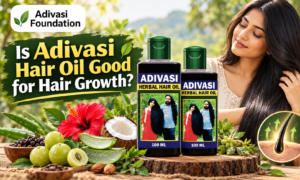
Herbal oil can support some wavy hair routines, but the amount, placement, timing, and formulation matter. Too much oil may flatten waves, increase greasiness, interfere with styling, or make cleansing harder. A light pre-shampoo application may suit one person, while another may prefer a tiny amount only on dry ends. Strand thickness, density, scalp oiliness, dryness, porosity, wash frequency, and styling habits all influence tolerance. The aim is to use oil for a clear purpose rather than treating it as a compulsory step.
Why Wavy Hair Often Needs a Lighter Approach to Oiling?
Wavy hair can lose lift when rich products accumulate. Fine strands, low-density hair, heavy styling layers, and oily scalps may show heaviness quickly, whereas thicker or drier waves may tolerate more.
Fine Waves Can Become Flat More Easily
Fine strands can show heaviness quickly. Waves may look elongated or less buoyant, while roots can appear greasy sooner. Start with a very small amount on the mid-lengths or ends; pre-shampoo use can also reduce residual oil during styling.
Thicker or Drier Waves May Tolerate More Oil
Coarser, denser, porous, chemically processed, or dry lengths may tolerate richer applications. Still, the specific oil and cleansing routine matter. Thick waves may suit pre-wash oiling on the lengths while the scalp remains oil-free.
What Does Herbal Oil Actually Add to a Hair Routine?
“Herbal oil” describes many formulations. A formula may combine carrier oils with infused herbs, botanical extracts, fragrance, essential oils, or other ingredients, so products can behave very differently on wavy hair.
The Carrier Oil Can Matter as Much as the Herbs
The carrier oil strongly affects weight, spreadability, and washing. A lighter base may suit easily flattened hair, while richer oils may suit coarse or dry lengths. Thick oils can also be harder to distribute evenly.
Not Every Herbal Formula Suits Every Scalp
Fragrance, essential oils, and multiple botanicals may irritate sensitive scalps. If a new oil causes burning, persistent itching, redness, swelling, or discomfort, stop using it.
Where Herbal Oil Can Fit into a Wavy Hair Routine
Oil can fit before washing, between washes, or during scalp massage. Each timing serves a different purpose.
Before Shampooing
Pre-shampoo oiling can provide lubrication without leaving oil on styled waves. Apply a modest amount, mainly to dry lengths. Avoid saturation unless the hair tolerates it well, then shampoo and assess movement and volume.
On Dry Ends Between Washes
A tiny amount can soften rough ends between washes. Too much may separate clumps or make ends look stringy, so reduce the amount or reserve oil for pre-wash use if needed.
During Scalp Massage
Scalp massage with oil is optional and does not guarantee hair growth. Oily, acne-prone, flaky, or sensitive scalps may need greater caution; if discomfort or greasiness increases, keep oil on the lengths.
How Much Herbal Oil Should Wavy Hair Use?
Amount depends on length, density, strand thickness, dryness, viscosity, application area, and whether the oil will be washed out. Fine, low-density waves may need only a trace, while dense, coarse hair may tolerate more. Start small; if hair becomes limp, greasy, coated, or hard to cleanse, reduce the quantity.
How Often Can Herbal Oil Be Used?
Frequency should follow scalp condition, dryness, wash habits, styling, formula richness, and post-wash response. Occasional pre-wash use may suit easily flattened waves, while very dry ends may tolerate tiny amounts between washes. Persistent greasiness, reduced volume, coating, or difficult cleansing suggests reducing frequency.
Should Herbal Oil Go on the Scalp, Lengths, or Both?
Placement should match the purpose. Scalp skin produces sebum, while mid-lengths and ends may feel drier or rougher.
Scalp Application
Scalp application may suit a pre-wash ritual if the skin remains comfortable. Persistent oiliness, hairline acne, irritation, unexplained flaking, or sensitivity warrants greater caution.
Mid-Lengths and Ends
Applying oil to mid-lengths and ends can reduce friction and soften rough sections without coating roots. It may suit hair that flattens near the scalp. Oil improves slip, but it cannot permanently repair every form of structural damage.
How Herbal Oil Can Affect Wave Definition
A small amount of oil can soften dry waves, add shine, and reduce friction. However, excessive coating may reduce volume, separate clumps, create greasiness, or slow drying. Layering oil over a rich leave-in or curl cream can increase heaviness, especially on fine waves. Oil does not create a permanent wave pattern; it only changes how hair sits and clumps temporarily.
How to Combine Herbal Oil with Shampoo and Conditioner
For pre-shampoo use, apply oil, allow suitable contact time, cleanse the scalp, rinse the lengths, and condition according to dryness. Heavy oiling may need more cleansing, but repeated aggressive washing can leave some waves dry or rough. Adjust the oil quantity first. Conditioner can still help dry or processed lengths, although rich conditioner plus heavy oil may overload fine waves.
How Herbal Oil Works Alongside Wavy Hair Styling Products
Leave-in conditioner, mousse, gel, curl cream, serum, and oil all add weight. Layering several rich products may reduce volume, especially on fine or low-density hair. Too much oil before gel or mousse can weaken hold, while a tiny amount on dry ends after styling may soften roughness. If cream, serum, and leave-in already provide enough conditioning, extra oil may be unnecessary.
Should Oil Be Applied Before or After Styling?
Pre-wash oiling can condition hair without leaving visible oil on finished waves. Before styling, oil may suit coarse or dry hair but can create excess weight beside leave-ins. After drying, a tiny amount may soften rough ends. Too much oil over gel or mousse can reduce hold or separate clumps, so timing should match the existing styling routine.
Hair Porosity and Oil Use
Porosity describes how readily hair takes up and loses water, but online labels are not rigid diagnoses. Damage, chemical processing, and fibre condition also influence behaviour. Rough or damaged-feeling lengths may tolerate more lubrication, while hair that resists product absorption may feel coated quickly. Judge the oil by spreadability, washing, softness, volume, and styling behaviour rather than a porosity label alone.
How Weather and Climate May Change the Routine
Heat, humidity, dry weather, sweating, and wash frequency can change how much oil feels comfortable. Hot or humid conditions may make an oily scalp feel greasier sooner, while dry conditions may make lengths feel rougher. If sweating increases shampoo frequency, pre-wash oil may suit dry lengths. If roots become oily quickly, reduce scalp application.
How to Choose a Herbal Oil for Wavy Hair
Product selection should focus on formulation, texture, transparency, and intended use rather than on herbal positioning alone. A few label checks can reveal whether the oil is likely to suit a lightweight or richer routine.
- Read the complete ingredient list and identify the main carrier oil.
- Consider whether the texture looks light, medium, or very rich.
- Check for added fragrance if the scalp reacts easily.
- Note essential oils and multiple botanical ingredients.
- Review the suggested method of use.
- Inspect packaging information, including batch or expiry details where provided.
- Check manufacturer information where normally listed.
- Consider whether the formula suits pre-wash use, scalp application, or dry ends.
- Stop use if irritation develops.
Someone assessing an original adivasi hair oil should still review the formulation rather than assuming that authenticity alone determines suitability for wavy hair.
A Simple Way to Introduce Herbal Oil Without Overloading Waves
Gradual introduction makes it easier to see what the oil changes without confusing the result with several new products.
- Choose one oil rather than adding multiple new products together.
- Read the ingredient list and note fragrance, essential oils, and the carrier base.
- Apply a small amount on a limited area.
- Start with the lengths or a pre-shampoo method if that matches the concern.
- Wash as usual and assess how easily residue comes away.
- Check whether volume, softness, and wave definition remain satisfactory.
- Adjust the amount or frequency before adding more.
- Stop or modify use if irritation or persistent discomfort appears.
Changing one variable at a time makes product tolerance easier to judge.
Signs You May Be Using Too Much Oil
Too much oil does not necessarily mean the product itself is unsuitable. Quantity, placement, timing, and frequency can all create problems.
- Waves look limp or unusually stretched.
- Root volume drops noticeably.
- Hair remains greasy after normal cleansing.
- The lengths feel coated instead of soft.
- Styling products lose their usual hold.
- Drying takes noticeably longer.
- Stronger shampooing becomes necessary after every application.
- The scalp feels uncomfortable or increasingly oily.
Reducing the amount is often the first useful adjustment.
Common Mistakes in a Wavy Hair Oiling Routine
Common mistakes include saturating fine hair, spreading scalp-level quantities through dry lengths, and layering oil over several rich stylers. These habits can create heaviness and build-up rather than extra conditioning. Using the same amount despite changes in wash frequency may also leave residue. Do not ignore itching or redness. If one application was simply too heavy, reduce the amount before rejecting the product. Oil does not create stronger waves or resolve unexplained shedding.
Can Herbal Oil Help with Hair Growth?
Herbal oil may reduce friction, improve lubrication, soften dry hair, and help limit breakage in some routines. Better length retention is different from stimulating new follicular growth. Herbal formulations vary widely, so traditional botanical ingredients do not establish that a finished oil can reverse hair loss or accelerate growth. Persistent thinning, sudden shedding, scalp pain, sores, or inflammation warrant appropriate professional assessment.
When Herbal Oil May Not Suit the Routine
Hair oil is optional. If waves consistently become flat, greasy, coated, or difficult to cleanse, removing oil from the routine can be reasonable.
A very oily scalp may not benefit from additional scalp oil, while fragrance-sensitive users may prefer simpler formulations. Similarly, anyone who experiences itching or irritation should stop the product rather than persisting.
Heavy styling routines can also conflict with oiling if creams, serums, gels, and leave-ins already create enough coating. Some people prefer fewer steps and achieve satisfactory softness through conditioner alone.
Building a Balanced Wavy Hair Routine Around Herbal Oil
A useful routine starts with the problem that needs attention. Dry ends may call for targeted oil, whereas an oily scalp may benefit from keeping oil away from the roots. Fine waves often need smaller quantities, while denser or coarser hair may tolerate more.
Cleansing frequency matters because oil that remains after washing can accumulate alongside styling products. Desired volume and hold matter as well.
A practical trial can also separate an oil problem from a routine problem. Keep shampoo, conditioner, drying method, and styling products unchanged while introducing the oil. Use it on one or two wash cycles in a modest amount, then compare how the hair feels before washing, after cleansing, and once fully dry. Notice root lift, wave shape, softness, residue, drying time, and scalp comfort. If the hair feels coated, first reduce quantity or restrict application to the ends. If the scalp becomes uncomfortable, stop scalp use rather than increasing cleansing strength. Conversely, if the lengths still feel rough but the roots remain light, a slightly larger amount on the lower sections may be reasonable. This controlled approach avoids changing several variables at once and makes it easier to identify which part of the routine affects volume, definition, softness, or build-up without creating unnecessary extra styling complexity.
One person may prefer occasional pre-wash oiling, another may smooth a trace over dry ends, and someone else may skip oil entirely. The routine should remain easy to cleanse, comfortable on the scalp, and compatible with styling goals.
Conclusion
Herbal oil can fit into a wavy hair routine when quantity, placement, timing, formulation, and frequency match the hair and scalp. Fine or easily flattened waves may suit lighter, pre-wash use, while thicker or drier lengths may tolerate richer application. Scalp comfort, cleansing ease, styling hold, and visible volume offer practical feedback. If oil repeatedly causes heaviness, build-up, or irritation, reducing or removing it can be entirely reasonable.
FAQs
Is herbal oil suitable for naturally wavy hair?
Yes, herbal oil can suit naturally wavy hair when the formulation, quantity, and placement fit the person’s hair and scalp. Fine waves may need very small amounts, while thicker or drier waves may tolerate more. Pre-shampoo use often helps limit residual weight.
Can herbal oil make wavy hair look flat?
Yes. Heavy application can reduce root lift, stretch wave clumps, and make fine strands look greasy or separated. The effect usually depends on quantity, oil richness, and other products already present. Using less or moving oil to the pre-wash stage may help.
How much oil should someone use on wavy hair?
There is no universal amount. Start with a small quantity and distribute it where dryness is most noticeable. Hair length, density, strand thickness, viscosity, and existing styling products all affect tolerance. Increase only if the hair remains light, cleanable, and comfortable.
Should herbal oil be applied before shampoo?
Pre-shampoo use can suit wavy hair because the oil can lubricate the lengths without remaining on styled waves. Apply modestly, avoid unnecessary saturation, and cleanse afterwards. If normal shampooing cannot remove the residue easily, use less during the next application.
Can herbal oil be left in wavy hair overnight?
Some people tolerate longer contact, but overnight use is not necessary for every routine. Rich oil can increase greasiness, transfer to bedding, or irritate a sensitive scalp. A shorter pre-wash period may be more practical if the hair becomes difficult to cleanse.
Should oil be applied to the scalp or only the ends?
Match placement to the concern. Dry ends may need oil even when the scalp feels oily. Scalp application can suit some pre-wash routines, but sensitive, acne-prone, flaky, or very oily scalps may need greater caution and closer observation.
Can herbal oil be used with mousse or gel?
Yes, but the combined weight matters. Heavy oil beneath mousse or gel may reduce lift or weaken styling hold on some waves. A very small amount on dry ends after styling can work better for some routines than layering oil underneath every styling product.
How often should wavy hair be oiled?
Frequency varies with dryness, scalp oiliness, wash habits, styling products, and formulation richness. Some people prefer occasional pre-wash use, while others apply tiny amounts to dry ends more often. Persistent greasiness or build-up usually signals a need to reduce frequency.
What should someone do if herbal oil causes itching?
Stop using the product and wash it out gently. Avoid repeated testing on irritated skin. If itching, redness, swelling, pain, sores, or inflammation continues, seek assessment from an appropriately qualified healthcare professional rather than continuing the same scalp routine.
Can herbal oil make waves more defined?
Oil may make dry strands feel smoother and reduce roughness, which can change how waves clump or reflect light. However, oil does not create a permanent wave pattern. Too much can reduce volume, separate clumps, or make waves appear less defined.