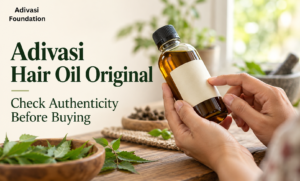
Adivasi hair oil and amla oil can both fit into a pre-shampoo hair-care routine, but their formulations, textures, and ideal application patterns may differ. Amla oil usually centers on amla extract or infused amla, while products described as Adivasi hair oil may contain varied combinations of herbs and carrier oils. Therefore, the label matters more than the category name alone. Choosing between them requires attention to scalp oiliness, hair dryness, washability, ingredient sensitivity, and personal routine. Neither option should be treated as a medical treatment or a guaranteed solution for hair growth or hair loss.
What Adivasi Hair Oil Generally Refers To?
What to Check Before Using It?
- Identify the main carrier oils and prominent botanical ingredients.
- Check for fragrance, essential oils, or ingredients that previously caused sensitivity.
- Read the manufacturer’s stated application and washing directions.
- Notice whether the texture suits the scalp and hair density.
- Patch test a small amount when the formulation contains unfamiliar ingredients.
Someone planning to buy adivasi hair oil online should still evaluate the actual ingredient declaration rather than relying on broad category wording or traditional positioning.
What Amla Oil Is
Amla oil generally refers to an oil containing Indian gooseberry, commonly called amla, as an extract, infusion, or component of a blended formula. However, amla itself does not create a single standardized oil. Manufacturers may infuse it into coconut, sesame, mineral, or other bases, so texture and performance still depend heavily on the complete formulation.
Key Differences Between Adivasi Hair Oil and Amla Oil
Practical differences may include:
- Typical formulation: Amla oil centers on amla; Adivasi-style oils may contain numerous herbs.
- Ingredient predictability: Neither category is completely standardized, but multi-herb blends can vary especially widely.
- Texture: Either type can be light or heavy depending on its carrier oils.
- Scalp feel: Dense formulas may feel uncomfortable on oily scalps, regardless of category.
- Washability: Richer oils often require more shampoo than lighter formulas.
- Sensitivity potential: More ingredients create more possible exposure points, although any single ingredient can irritate.
- Hair-length use: Both can coat dry or frizzy lengths when the formula suits the hair.
- Routine flexibility: Either can work as a short pre-shampoo treatment rather than an overnight treatment.
How to Use Adivasi Hair Oil
Practical Application Steps
- Begin with dry or slightly damp hair unless the label specifies otherwise.
- Detangle gently so sectioning does not create unnecessary pulling.
- Divide the hair into four to six sections, depending on density.
- Place small amounts along the scalp rather than pouring oil directly over the head.
- Spread the oil with fingertips using light pressure.
- Massage gently for a few minutes; avoid aggressive rubbing or scratching.
- If the lengths feel dry, smooth a small amount from mid-lengths toward the ends.
- Leave the oil for a reasonable pre-shampoo period based on comfort and label directions.
- Shampoo thoroughly, concentrating cleanser where oil accumulates.
- Adjust the next application according to how clean, comfortable, and manageable the hair feels.
How Long to Leave It On
A short pre-shampoo period of roughly 30 minutes to a few hours is practical for many people. However, the appropriate duration depends on the formula, scalp sensitivity, and label instructions. Overnight application is optional, not necessary.
How to Use Amla Oil
A Simple Pre-Shampoo Method
Part the hair, apply small amounts to selected scalp areas, and spread gently with fingertips. Then use the residue on the hands to coat dry lengths. Add a little more only where the hair needs lubrication, particularly toward weathered ends.
How Much Oil Should You Apply?
As a practical starting approach:
- Short or fine hair may need only a small amount distributed in sections.
- Medium or dense hair may require additional oil for the lengths.
- Very dry ends can receive a few extra drops without soaking the scalp.
- Oily scalps usually benefit from restrained application.
- Thick, highly textured hair may tolerate richer coverage, especially on lengths.
Frequency and Waiting Time
Frequency should respond to results rather than tradition alone. For many routines, once or twice weekly pre-shampoo oiling provides enough opportunity to assess softness, manageability, residue, and scalp comfort. Some people prefer less frequent use, particularly when the scalp becomes oily quickly.
Overnight Use Is Not a Requirement
Choose overnight use only when the product instructions allow it and the scalp tolerates prolonged contact. Otherwise, a shorter pre-shampoo session offers a simpler option. Anyone prone to irritation should be particularly cautious with complex or fragranced formulas.
Adjusting Frequency
Reduce frequency if the scalp feels persistently greasy, itchy, coated, or difficult to cleanse. Conversely, dry lengths may benefit from occasional oiling even when the scalp needs little or none.
Choosing by Hair and Scalp Type
Hair type affects how an oil feels, but formulation matters just as much. A light amla formula can suit fine hair better than a dense herbal blend, yet a lightweight Adivasi-style formulation could reverse that comparison.
Dry Hair
Dry hair often benefits cosmetically from lubrication before shampooing. Either category can work if the base oil coats the strands without leaving an unwanted film.
Focus application on mid-lengths and ends, where weathering and friction often create roughness. A richer formula may suit coarse or very dry strands, while fine dry hair may need a lighter coating. Consequently, start with a modest quantity and increase only when necessary.
Oily Hair and Scalp
An oily scalp does not necessarily require complete avoidance of hair oil, but heavy root application may feel unpleasant and increase cleansing needs. Use a small quantity, shorten the waiting period, or apply oil mainly to the lengths.
Frizzy or Damaged Hair
Oil can temporarily improve slip and reduce a rough, dry feel, which may make frizzy or chemically weathered lengths easier to handle. Nevertheless, oil cannot permanently repair structural damage.
Apply a thin layer before shampooing, especially to vulnerable ends. Avoid vigorous massage or tight manipulation because damaged fibers break more easily. Regular trimming may still be necessary for split ends, since cosmetic oils cannot fuse split fibers permanently.
Can Adivasi Hair Oil and Amla Oil Be Used Together?
Combining them is possible when their ingredients are compatible with the user’s skin and the labels do not discourage mixing. However, combining two formulas also creates a more complex ingredient mixture and can make the result heavier.
A cautious approach is to test each product separately first. That makes it easier to identify irritation, excessive heaviness, or poor washability. If both work independently, use a small combined quantity rather than full portions of each.
Alternating Can Be Simpler
Alternating products on different wash days often provides a clearer comparison. For example, use one formula for several applications while keeping shampoo, conditioner, quantity, and waiting time reasonably consistent. Then assess the second formula under similar conditions.
Common Hair-Oiling Mistakes to Avoid
Technique can matter as much as product choice. Several habits make oiling less comfortable or harder to evaluate:
- Pouring large quantities directly onto the scalp.
- Scratching the scalp with fingernails during massage.
- Assuming longer contact always produces better results.
- Using very hot oil, which can irritate or burn skin.
- Applying a new multi-ingredient formula without checking the label.
- Ignoring itching, burning, redness, or swelling.
- Repeatedly shampooing aggressively to remove excessive oil.
- Expecting oil to permanently mend split ends or reverse severe damage.
- Treating cosmetic oiling as a substitute for assessment of persistent scalp problems.
- Changing several products simultaneously, making reactions difficult to trace.
How to Choose Between the Two
Instead of asking which category is universally better, compare the specific formulations against personal priorities. Amla oil may appeal to someone seeking a simpler amla-centered product, although some versions still contain many added ingredients. Adivasi-style oil may appeal to someone who prefers a multi-herb formulation, provided the ingredients and texture suit the user.
Consider these selection points:
- Ingredient clarity: Can the full formulation be identified easily?
- Texture: Does the oil spread without requiring excessive quantity?
- Scalp tolerance: Does the formula remain comfortable during the intended contact time?
- Hair finish: Do the lengths feel softer rather than heavily coated?
- Washability: Can normal shampooing remove the oil adequately?
- Routine fit: Is the required waiting and washing process practical?
- Sensitivity: Does the formula contain fragrance or botanicals that require extra caution?
- Purpose: Is the goal simple pre-shampoo lubrication rather than an unsupported therapeutic promise?
Practical Precautions Before Use
Patch test unfamiliar formulations according to product directions. Avoid applying oil over broken, injured, severely irritated, or actively inflamed skin. Additionally, keep the product away from the eyes and stop using it if significant irritation occurs.
Follow product-specific directions when they differ from general oiling practices. Persistent hair shedding, painful scalp symptoms, sores, marked scaling, or other significant concerns deserve appropriate professional assessment rather than repeated experimentation with cosmetic oils.
Conclusion
Adivasi hair oil and amla oil can both support a practical pre-shampoo routine, yet neither category has one universal texture or formula. Amla oil centers on amla, while Adivasi-style products often use broader herbal blends. Apply either sparingly, massage gently, adjust contact time and frequency to scalp response, and focus richer coverage on dry lengths when appropriate. Checking ingredients, patch testing unfamiliar formulas, and following label directions matter more than category-based assumptions. Combining the oils is optional; alternating them often makes comparison easier. Persistent scalp or hair concerns require appropriate professional advice rather than cosmetic oiling alone.
FAQs
1. How often can Adivasi hair oil or amla oil be used?
Many people can start with once-weekly pre-shampoo use and adjust according to scalp comfort, hair dryness, and washability. Twice-weekly use may suit some routines, whereas oily scalps may prefer less. Product directions take priority because ingredient strength, fragrance, carrier oils, and recommended contact periods vary between formulations.
2. Can either oil stay on the hair overnight?
Overnight oiling is optional rather than necessary. A well-tolerated formula may be left longer when its instructions permit, but sensitive or oily scalps may prefer shorter contact. Complex botanical blends or fragranced oils deserve extra caution. Stop prolonged use if itching, burning, redness, or discomfort appears during application.
3. Can Adivasi hair oil and amla oil be mixed?
They can sometimes be mixed, provided each formula suits the scalp, and neither label advises otherwise. Test them separately first so any reaction is easier to identify. If combining them, reduce each quantity because using two full applications can create excessive heaviness, residue, and unnecessary shampooing afterward.
4. Which oil is better for dry hair?
Either may suit dry hair if its carrier oils provide useful lubrication without excessive buildup. Richer formulas often coat coarse, dry lengths more noticeably, while fine hair may prefer lighter textures. Judge the complete ingredient list and consistency rather than assuming one category always provides more moisture or softness.
5. Which option may suit an oily scalp?
A lightweight formulation used sparingly may suit an oily scalp better than a dense coating. Apply a small amount, keep the contact period moderate, and consider concentrating oil on dry lengths. Since either category can contain light or heavy carrier oils, texture and formulation matter more than the name alone.
6. How much oil should be used per application?
Use enough to create a thin, even film rather than soaking the scalp and hair. Start with small amounts section by section, then add more only where needed. Hair length, density, strand thickness, scalp oiliness, and product viscosity all influence quantity, so a fixed measurement rarely suits everyone.
7. Do both oils need shampooing afterward?
For pre-shampoo oiling, shampoo usually removes excess oil and leaves the scalp cleaner and more comfortable. Rich formulas may need more cleansing than lightweight ones, but aggressive repeated washing can dry the hair. Using less oil initially often improves washability and reduces the need for multiple shampoo applications.
8. Are the ingredients in all Adivasi hair oils similar?
No. The category does not represent a standardized recipe, so botanical extracts, carrier oils, fragrance, and other ingredients can vary substantially. Check the complete label before use, especially if sensitivity is a concern. The formulation also influences texture, scalp feel, washability, and how heavily the oil coats hair.
9. Can the two oils be alternated on different wash days?
Yes. Alternating can help compare how each formula affects softness, residue, scalp comfort, and cleansing effort. Keep other routine factors reasonably consistent while assessing them. Using one oil per wash day also makes it easier to identify which product causes irritation or feels too heavy for the hair.
10. How should someone choose between Adivasi hair oil and amla oil?
Compare actual ingredients, carrier oils, fragrance, texture, label directions, scalp sensitivity, hair dryness, and washing preferences. Choose the formulation that fits the intended cosmetic routine comfortably. Avoid selecting either product based on promises of guaranteed growth, permanent repair, baldness reversal, or treatment of a scalp condition.