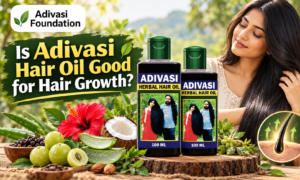
Monsoon weather can make hair feel unpredictable. High humidity may increase frizz, dampness can leave the scalp uncomfortable, and repeated washing may make lengths feel rough or tangled. Adivasi hair oil can fit into seasonal hair care by adding surface lubrication, supporting smoother strands, and making grooming easier.
However, benefits depend on formulation, hair type, scalp condition, and application. It remains a cosmetic aid, not a guaranteed remedy for hair fall, dandruff, fungal problems, or other scalp conditions.
Why Monsoon Weather Changes the Way Hair Behaves?
Rainy-season conditions can affect both the scalp and hair shaft. Humid air encourages hair fibers to interact with environmental moisture, while sweat, rainwater, pollution, and frequent cleansing can alter how clean, smooth, or manageable hair feels.
Humidity Can Increase Frizz and Roughness
Hair that is porous, curly, chemically processed, or heat-damaged may react strongly to humidity. Moisture from the surrounding air can enter or affect the hair fiber unevenly, which may contribute to swelling, irregular texture, and visible frizz.
A light oil layer can reduce the rough feel of the strand surface and improve lubrication. Consequently, hair may appear smoother and feel less tangled. Oil cannot completely block humidity, but thoughtful application can make styling more manageable.
Frequent Washing Can Leave Lengths Dry
Monsoon routines may involve more frequent shampooing because of sweat, dampness, or exposure to dirty rainwater. Although cleansing supports hygiene, repeated washing can sometimes leave the mid-lengths and ends feeling dry.
Therefore, using a suitable hair oil before washing or in a very small amount after washing can help restore softness. The aim should be balance rather than saturating the scalp after every cleanse.
How Adivasi Hair Oil May Help During Monsoon
The name Adivasi hair oil can describe many different formulations. Some contain carrier oils, herbal extracts, botanical ingredients, fragrances, or essential oils. Consequently, the actual benefits depend more on the formula than on the category name itself.
Supports Better Hair Lubrication
Hair strands constantly rub against one another, towels, pillows, clothing, combs, and styling tools. During humid weather, tangled or frizzy hair may experience even more friction during detangling.
Oil can coat parts of the strand surface and improve slip. As a result, combing may require less pulling when paired with gentle technique. This can be especially useful for long, coarse, curly, or dry hair.
Helps Hair Feel Softer
Carrier oils commonly used in herbal hair preparations can act as emollients. They may make dry strands feel softer by reducing roughness along the surface.
Moreover, hair ends often need greater attention because they are older and typically more weathered than hair near the scalp. Applying a modest amount of oil to the ends can improve their cosmetic feel without making the roots greasy.
Can Improve the Appearance of Frizz
Monsoon frizz is one of the most common seasonal styling concerns. A small amount of oil can smooth flyaways and help strands sit more neatly.
However, excessive oil may make hair look flat, sticky, or unwashed. Fine hair generally needs only a tiny quantity, while thick or coarse hair may tolerate more.
Pre-Wash Oiling Can Be Useful in Rainy Weather
Why Pre-Wash Application May Suit Humid Conditions
Applying oil before shampooing allows the hair lengths to receive lubrication while still ending with a clean scalp. Therefore, it can be practical for people who dislike the heavy feeling of leave-on oil in humid weather.
A simple routine involves applying a moderate amount to the lengths, using only an appropriate quantity on the scalp, and then washing thoroughly. There is no need to soak the hair excessively.
How Long Should Oil Stay on the Hair?
Post-Wash Oiling Can Control Dry Ends and Flyaways
Some hair types benefit from a tiny amount of oil after shampooing. This method works differently from heavy scalp oiling because the goal is surface conditioning rather than saturation.
Applying Oil to Damp Hair
After washing, remove excess water gently with a soft towel. Avoid aggressive rubbing because wet hair can be easier to stretch and damage mechanically.
Next, spread a very small amount of oil between the palms. Smooth it over the mid-lengths and ends, concentrating on rough areas. Consequently, the hair may dry with a softer, more controlled appearance.
Applying Oil to Dry Hair
Dry application provides greater control over quantity. Once the hair dries, identify flyaways, coarse sections, or dry ends and use only enough oil to smooth them.
Adivasi Hair Oil and Monsoon Scalp Care
Scalp care needs special attention during humid weather because excess sweat, oil, product residue, and prolonged dampness can create discomfort. Hair oil should support scalp care rather than replace cleansing or professional assessment when symptoms persist.
Avoid Keeping the Scalp Constantly Oily
Persistent Scalp Problems Need More Than Oil
Itching, redness, scaling, sores, unusual odor, painful areas, or significant shedding should not automatically be attributed to seasonal dryness. Various scalp conditions can cause similar symptoms.
Therefore, persistent or worsening concerns deserve appropriate professional evaluation. Cosmetic oils should not be presented as treatments for infections, inflammatory scalp disorders, or unexplained hair loss.
Can Adivasi Hair Oil Help With Monsoon Hair Fall?
Hair fall during a particular season can create concern, but shedding and breakage are not identical. Oil may help reduce friction-related breakage by improving lubrication, yet it cannot be assumed to stop shedding from the root.
Breakage Versus Root Shedding
Broken strands may result from tangles, aggressive brushing, chemical processing, heat exposure, or physical stress. Better lubrication and careful detangling can support gentler handling.
In contrast, shedding from the follicle relates to the hair growth cycle and other possible factors. Consequently, persistent excessive shedding requires a different approach than simply increasing oil application.
Avoid Guaranteed Hair-Growth Claims
No cosmetic oil should be assumed to guarantee new growth, reverse baldness, or permanently stop hair loss for everyone. Such claims overlook the many possible biological, nutritional, hormonal, dermatological, and mechanical factors involved.
How Different Hair Types Can Use Oil in Monsoon
The same monsoon routine does not work equally well for every hair type. Texture, density, porosity, scalp oiliness, chemical processing, and styling habits all influence how much oil feels comfortable.
Fine or Oily Hair
Fine strands can become weighed down quickly. Therefore, use minimal oil and focus primarily on the ends.
A short pre-wash application may feel more comfortable than leaving oil on the scalp. Additionally, avoid layering oil repeatedly between washes if the hair already appears flat or greasy.
Dry, Curly, or Coarse Hair
Dry and textured hair often benefits from more lubrication because natural scalp oils may not travel easily along bends and curls.
A richer pre-wash treatment or small post-wash application can help reduce roughness. Nevertheless, quantity still matters, since excessive oil can cause buildup and make curls lose definition.
Chemically Treated Hair
Colored, bleached, straightened, or frequently heat-styled hair may feel more porous and rough. Oil can improve cosmetic smoothness and reduce friction, but it cannot rebuild severely damaged hair permanently.
Consequently, gentle cleansing, conditioning, lower heat exposure, careful detangling, and suitable trimming remain important alongside oiling.
How Much Oil Is Appropriate During Monsoon?
There is no universal quantity. A sensible amount depends on hair length, density, strand thickness, scalp type, and whether the oil is used before or after washing.
A practical approach includes:
- Start with less than you think you need.
- Apply more to dry lengths than oily roots.
- Reduce the quantity if shampooing becomes difficult.
- Use only a few drops for post-wash smoothing.
- Avoid repeatedly adding oil to a sweaty scalp.
- Adjust frequency according to buildup and comfort.
- Follow the product’s own directions where provided.
A Sensible Monsoon Oiling Routine
A simple routine usually works better than combining numerous products. Hair and scalp responses become easier to assess when only a few variables change at once.
Before Washing
Detangle gently before applying oil. Spread a moderate amount through the lengths and use only as much scalp oil as feels appropriate.
Allow the product to remain for a reasonable period according to its directions. Then shampoo thoroughly, concentrating cleansing on the scalp rather than aggressively scrubbing the lengths.
After Washing
Remove excess moisture gently and allow the scalp to dry properly. If the ends feel rough, use a very small amount of oil through the lower lengths.
Meanwhile, avoid tying up soaking-wet hair for long periods. Keeping the scalp persistently damp can create discomfort and make hair care more difficult.
Choosing Adivasi Hair Oil for the Rainy Season
Product selection matters because formulas marketed under similar names can differ significantly. Therefore, ingredient transparency and realistic claims deserve greater attention than packaging language.
People who plan to buy original Adivasi hair oil online in India should review the ingredient declaration, usage directions, seller details, packaging information, and authenticity indicators before purchasing.
Look for a formula that matches your hair type and intended use. Rich blends may suit dry or coarse hair, while lighter oils may be preferable for fine strands. Additionally, people with fragrance sensitivity should check whether the product contains perfumes, aromatic extracts, or essential oils.
Terms such as herbal, natural, traditional, or authentic do not automatically mean a product will suit every scalp. Botanical ingredients can also trigger irritation in susceptible individuals.
Monsoon Mistakes That Can Make Hair Harder to Manage
Seasonal hair care often becomes complicated when people respond to humidity by adding more products. However, excessive oiling, washing, or styling can create a cycle of buildup and repeated cleansing.
Common mistakes include:
- Applying heavy oil to an already sweaty scalp.
- Leaving wet hair tied tightly for extended periods.
- Using excessive oil after every wash.
- Brushing tangled wet hair aggressively.
- Ignoring persistent scalp irritation.
- Assuming more herbs mean better results.
- Using unfamiliar essential oils without proper dilution.
- Shampooing harshly just to remove excessive oil.
- Expecting cosmetic oil to resolve medical hair-loss causes.
- Buying solely based on dramatic before-and-after claims.
What Results Should You Realistically Expect?
A suitable Adivasi hair oil may make hair feel softer, smoother, and easier to detangle during humid weather. It may also help reduce the rough appearance of dry ends and improve the finish of frizzy strands.
You should not expect an oil to waterproof hair against humidity, guarantee hair growth, permanently repair split ends, cure scalp infections, or stop every form of shedding.
Instead, judge the routine by practical signs: hair should remain comfortable, manageable, reasonably clean, and easier to groom without requiring excessive shampooing.
Conclusion
Adivasi hair oil can be a useful part of monsoon hair care when used with realistic expectations. Its strongest role lies in improving lubrication, softness, detangling, frizz control, and the feel of dry lengths. However, humid conditions make careful quantity, scalp hygiene, and proper drying especially important.
Choose a transparent formulation, avoid excessive oiling, and adjust use according to hair type and scalp comfort. Seasonal hair care works best when oil supports a balanced routine rather than replacing cleansing or appropriate attention to persistent scalp and hair concerns.
FAQs
1. Is Adivasi hair oil good for hair during monsoon?
It can be useful when the formulation suits your hair and scalp. A small or moderate amount may improve lubrication, softness, frizz control, and detangling. However, humid weather can make heavy oil uncomfortable, particularly on oily scalps, so quantity and washing frequency should be adjusted carefully.
2. How often should I oil my hair during monsoon?
No fixed frequency suits everyone. Hair texture, scalp oiliness, washing schedule, product weight, and buildup should determine timing. Some people may prefer pre-wash oiling once or twice within their normal routine, while others need less frequent application during humid weather.
3. Should I apply Adivasi hair oil on a wet scalp?
Applying heavy oil to a soaking-wet scalp is generally unnecessary. Dry the scalp properly after washing or rain exposure before using products that remain on it. For post-wash smoothing, concentrate a tiny amount on damp lengths and ends instead of coating the wet scalp heavily.
4. Can Adivasi hair oil reduce monsoon frizz?
A suitable oil may smooth the strand surface and improve lubrication, which can make flyaways and frizz appear more controlled. However, it cannot completely prevent humidity from affecting hair. Use a small quantity because excessive oil can replace frizz with greasiness, heaviness, or loss of volume.
5. Is overnight oiling recommended in rainy weather?
Overnight application is not automatically better. Heavy oil left for many hours may feel uncomfortable on sweaty or sensitive scalps. Follow product directions and personal tolerance. A shorter pre-wash application can provide lubrication without requiring prolonged scalp contact, especially when humidity is already high.
6. Can I use hair oil after getting caught in the rain?
Clean or rinse the hair as appropriate first if it has been exposed to dirty rainwater, sweat, or environmental residue. Dry the scalp properly afterward. Applying oil directly over a damp, unclean scalp may trap residue and make the hair feel heavier rather than fresher.
7. Does Adivasi hair oil prevent hair fall during monsoon?
Oil may support gentler grooming and reduce some friction-related breakage, but it should not be assumed to prevent all shedding. Hair fall from the root can have several causes. Persistent, sudden, or patchy loss requires appropriate assessment rather than relying solely on seasonal oiling.
8. Can oily scalp types use Adivasi hair oil in monsoon?
Yes, but a lighter approach may work better. Apply little or no oil to greasy roots and concentrate on dry lengths. Pre-wash use can also be more comfortable than leaving oil on the scalp. Reduce frequency whenever buildup, itching, heaviness, or frequent rewashing becomes noticeable.
9. Should curly hair use more oil during humid weather?
Curly and coarse hair may benefit from slightly more lubrication than fine hair because the lengths can feel dry and frizzy. However, increasing oil excessively can weigh curls down. Start with a modest amount, focus on dry sections, and adjust according to softness, definition, and buildup.
10. How do I know if monsoon oiling is not suiting my scalp?
Persistent itching, burning, redness, painful bumps, unusual scaling, excessive greasiness, or worsening discomfort can signal that the product, quantity, or routine is unsuitable. Stop or reduce use as appropriate. Ongoing symptoms deserve professional assessment, particularly when accompanied by sores, significant shedding, or visible scalp changes.